
Beyond the History: A Vibrant City
Hiroshima, a vibrant city on Japan’s Honshu island, stands as a profound testament to resilience, having transformed from a site of unprecedented destruction into a passionate international "City of Peace and Culture". While forever linked to the events of World War II, modern Hiroshima is a thriving, modern metropolis known for its beautiful rivers, welcoming atmosphere, and exceptional cuisine.We boarded one of Japan's famous shinkansen (bullet train) bound for historic Hiroshima.
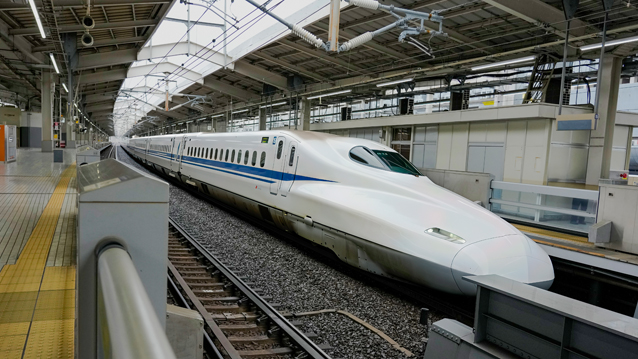
Shinkansen bullet-train from Kyoto to Hiroshima
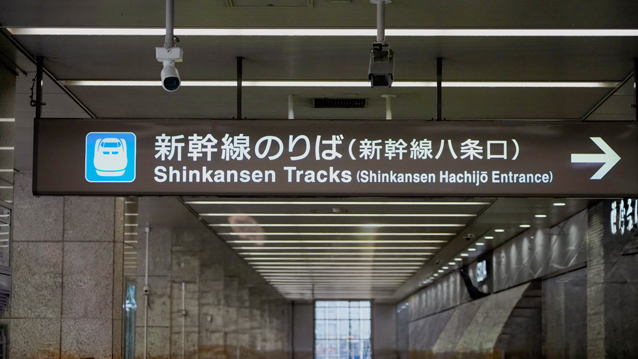
You can check your route, timetables, and train schedules using the JR-West Timetable and Route Finder.
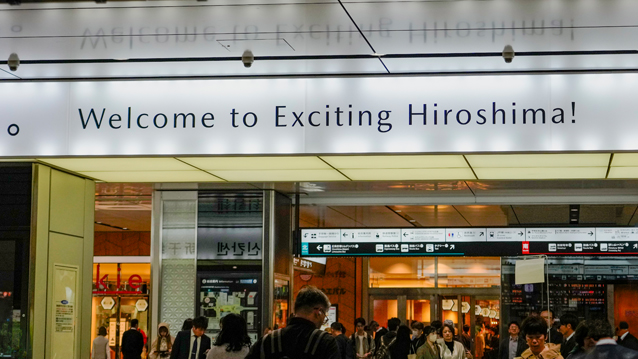
You arrive at Hiroshima Station when taking the Shinkansen bullet train into the city. Located in Minami-ku, it is the only station in the city that services the San'yō Shinkansen bullet train.
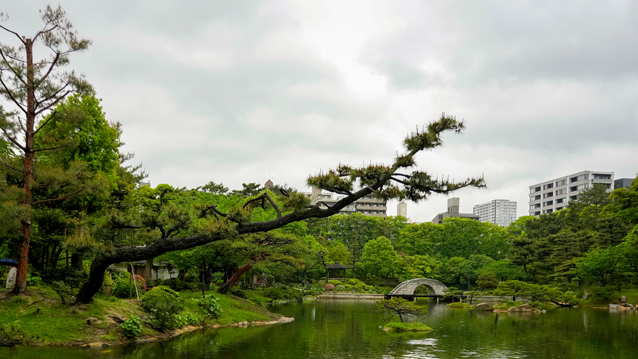
We visited the 400 year old Skukkei-en-Garden. Shukkei-en, a stunning 400-year-old "shrunken-scenery" garden in central Hiroshima, serves as a tranquil, miniature landscape of mountains, valleys, and forests surrounding a central pond . Built in 1620, it offers a peaceful oasis designed for strolling, featuring the iconic koko-kyo bridge, historic teahouses, and vibrant seasonal foliage, making it a must-visit in Hiroshima. Below are some pictures of the garden.
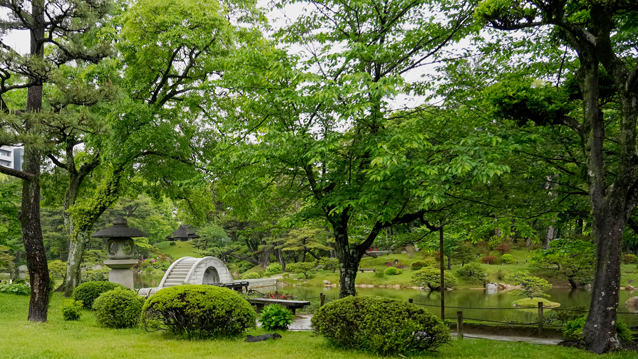
Shukkei-en Garden.
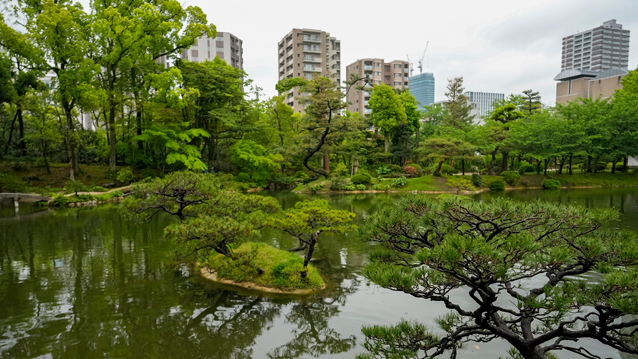
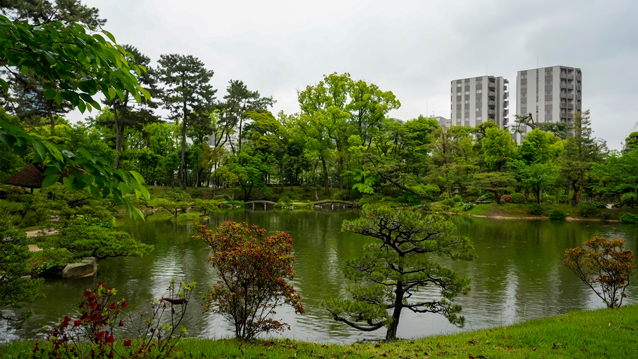
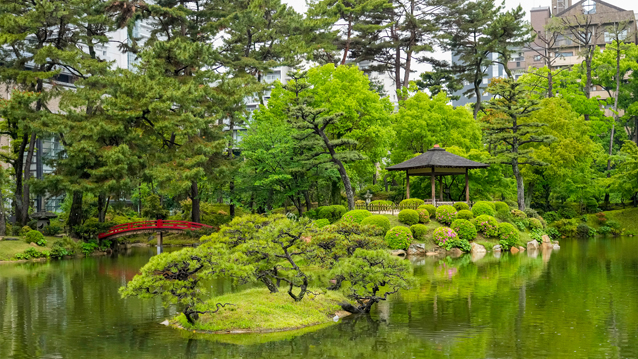
The entire garden is connected by a path which winds around the pond at the center of the garden. The path passes through all of Shukkeien's various miniaturized sceneries.
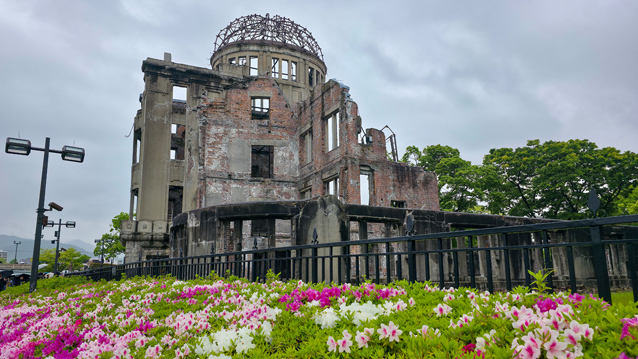
Located in the heart of Hiroshima, the Peace Memorial Park is a 120,000-square-meter oasis dedicated to the legacy of the 1945 atomic bombing and the pursuit of global peace . It stands as a moving, 365-day-a-year testament to resilience, transforming a former commercial district into a vibrant space of remembrance with scenic riverbanks, memorial monuments, and the iconic A-Bomb Dome. Below are several pictures of our visit to Peace Memorial Park.
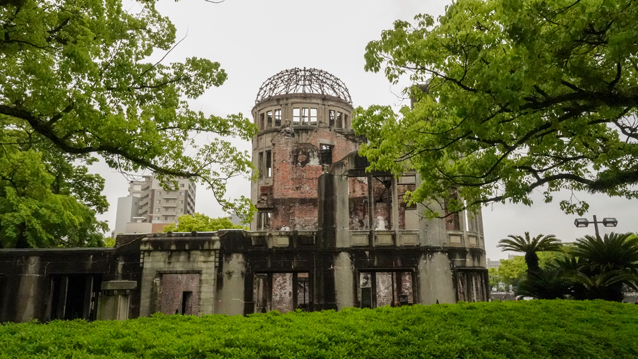
The Hiroshima Peace Memorial (Genbaku Dome) was the only structure left standing in the area where the first atomic bomb exploded on 6 August 1945.
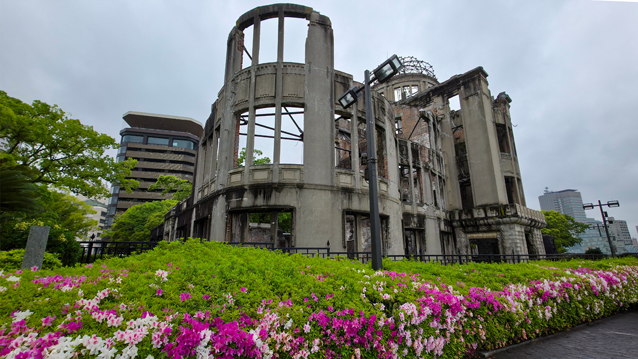
Through the efforts of many people, including those of the city of Hiroshima, it has been preserved in the same state as immediately after the bombingnbsp;
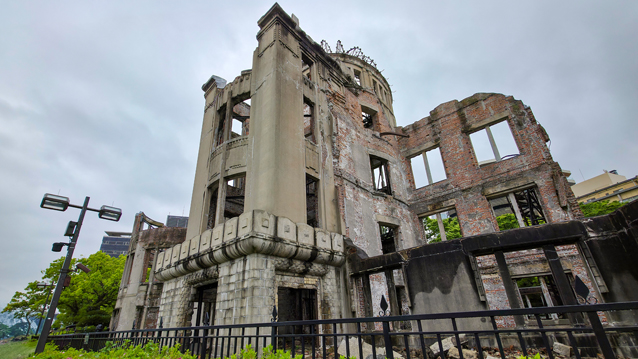
Not only is it a stark and powerful symbol of the most destructive force ever created by humankind; it also expresses the hope for world peace and the ultimate elimination of all nuclear weapons.
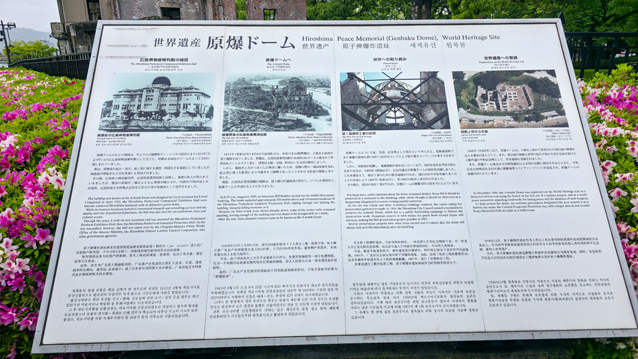
Today, there are a number of memorials and monuments, museums, and lecture halls, which draw over a million visitors annually.
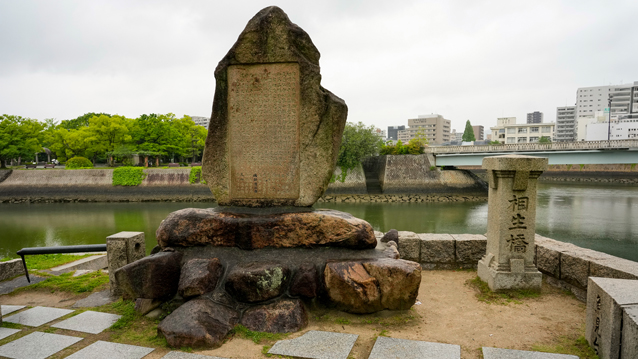
Aioi Bridge was the intended aiming point for the atomic bomb on August 6, 1945.
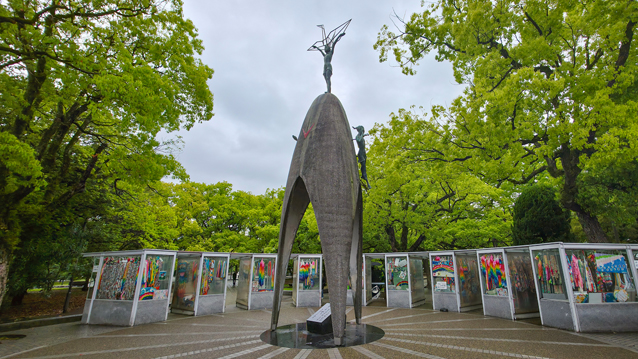
The Children's Peace Monument, located in the heart of Hiroshima's Peace Memorial Park, is a poignant symbol of peace and hope. Erected in 1958, this monument pays tribute to Sadako Sasaki, a young victim of the atomic bombing, and through her, to all the children affected by this tragedy.
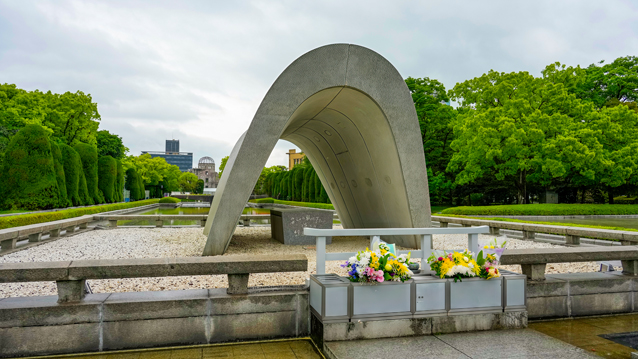
The Cenotaph for the Victims of the Atomic Bomb is located at the center of the Hiroshima Peace Memorial Park in Japan. Built in 1952, its saddle-shaped arch represents a shelter to protect the souls of the deceased from the elements.
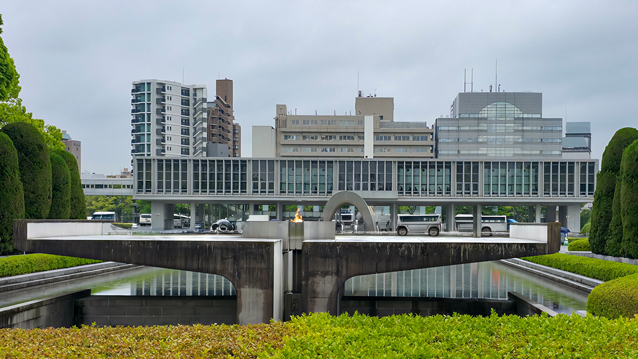
The Hiroshima Peace Memorial Museum is a museum in Hiroshima Peace Memorial Park, in central Hiroshima, Japan, dedicated to documenting the atomic bombing of Hiroshima in World War II. The flame, seen in the center has burned continuously since it was lit on August 1, 1964.
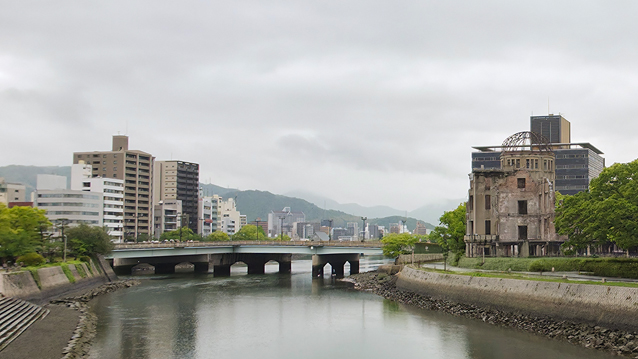
Radiation levels in the city today are at normal background levels, identical to typical levels found anywhere else on Earth. The city is safe to live in and visit, and it has been fully inhabited since shortly after the bombing. The park is both a memorial for the victims and a reminder of the importance of maintaining world peace.
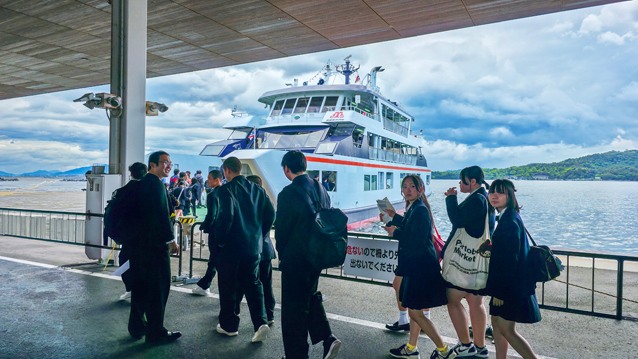
Then we travelled by ferry to Miyajima Island. Miyajima, formally known as Itsukushima, is a sacred "shrine island" in Hiroshima Bay, renowned for its iconic "floating" torii gate and Issuku shima Shrine, located less than an hour from Hiroshima, this scenic gem combines breathtaking coastal views with hiking on Mount Misen, wild deer, and rich cultural history. Itsukushima Shrine, located on Miyajima Island is known for its unique, vermilion-lacquered, "floating" architecture. Below are several pictures of our cruise and the island.
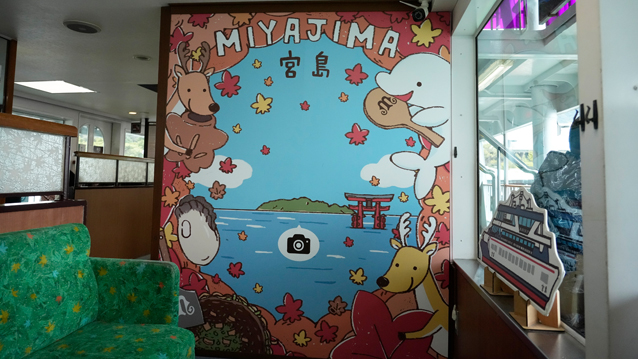
Ferry to Miyajima Island
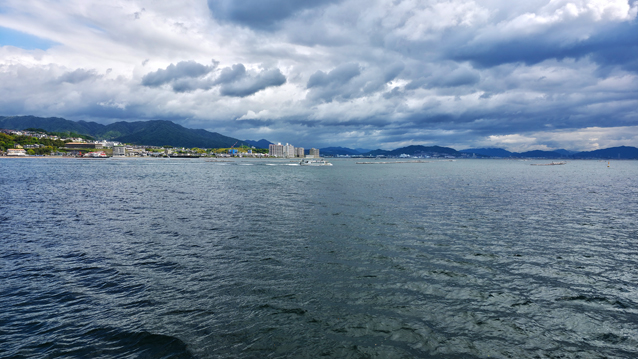
Scene from ferry to Miyajima Island
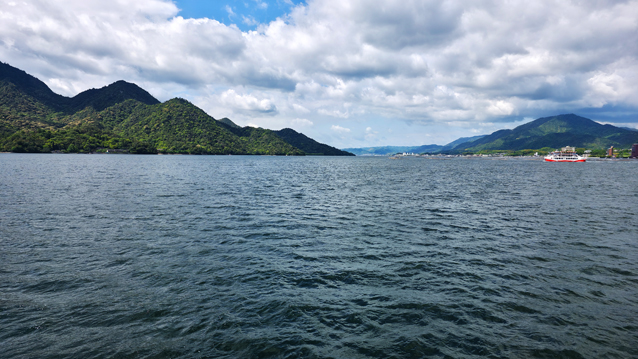
Scene from ferry to Miyajima Island
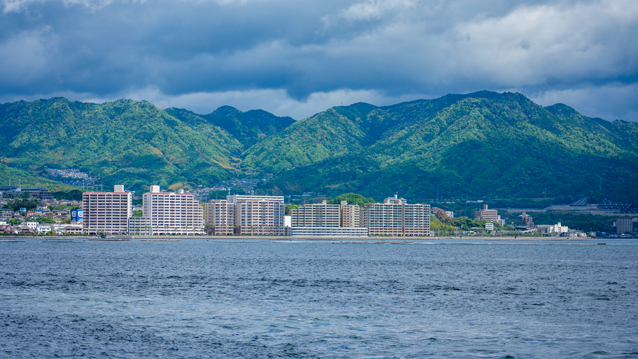
Scene from ferry to Miyajima Island
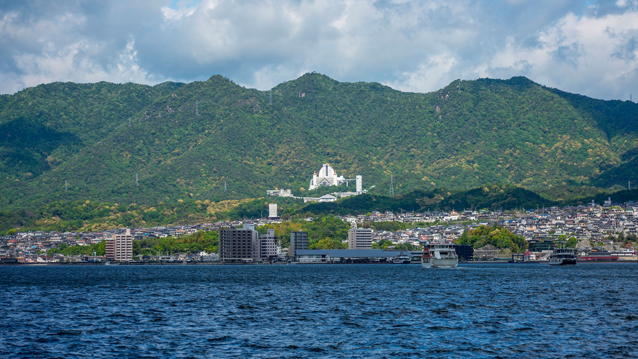
Scene from ferry to Miyajima Island
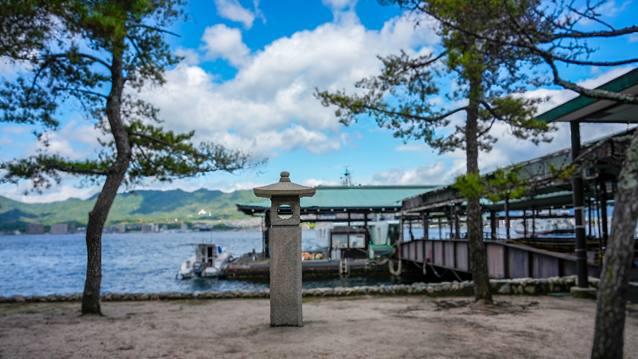
Scene from Miyajima Island
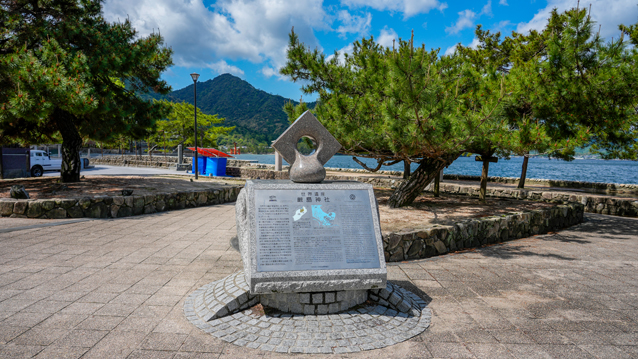
Scene from Miyajima Island
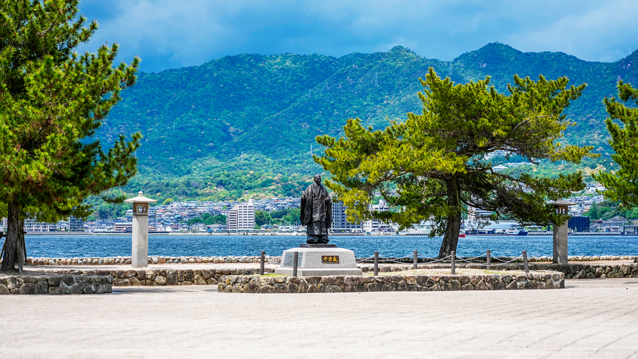
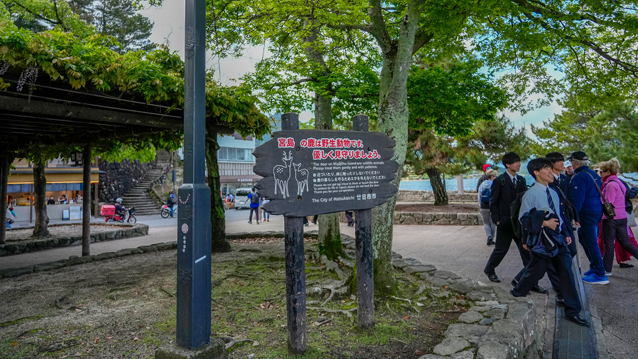
The deer on Miyajima Island.
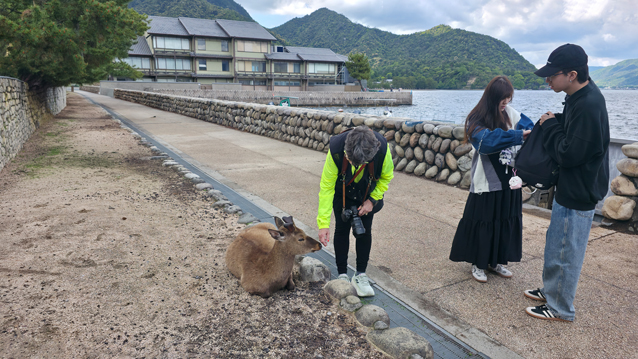
The deer on Miyajima Island.
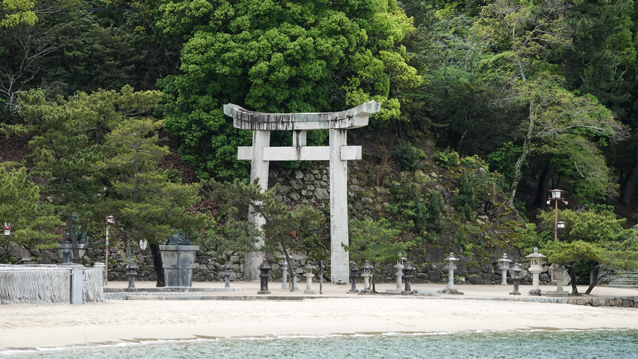
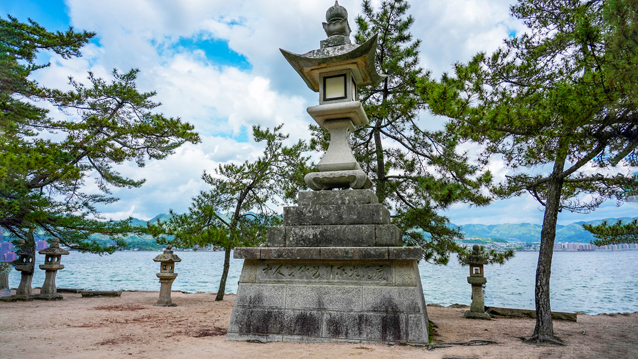
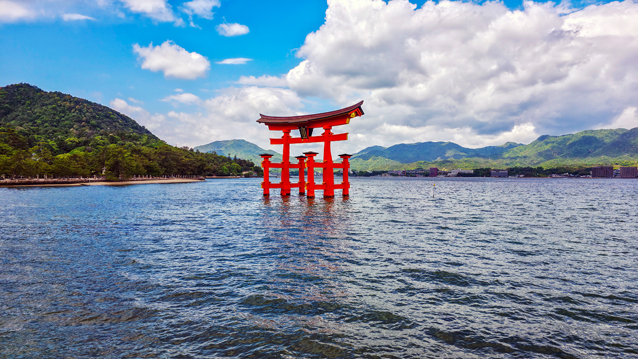
Itsukushima Shrine Torii Gate on Miyajima Island. Built over water, the shrine complex appears to float during high tide, creating a stunning visual contrast between the sea and the surrounding green mountains .
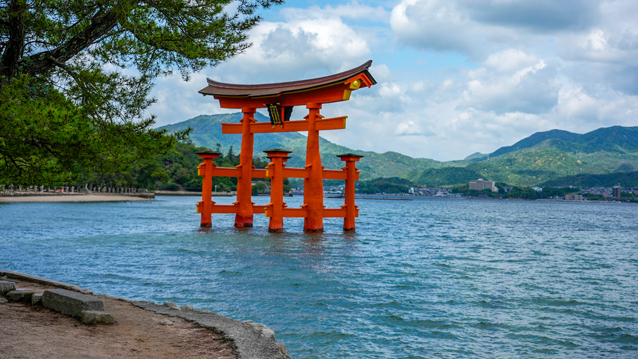
Itsukushima Shrine Torii Gate on Miyajima Island. The gate is built on the Seto Inland Sea and appears to float during high tide.
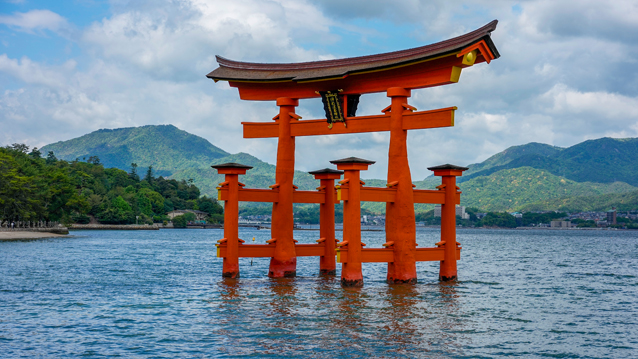
This site has been recognized since 1643 as one of the "Three Most Scenic Views of Japan".
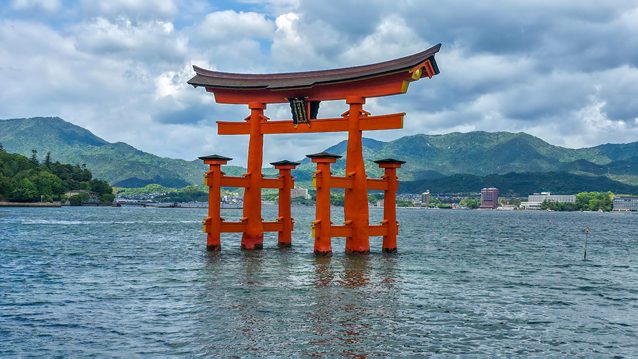
In Shinto tradition, a torii gate marks the boundary between the spirit world and the human realm. Worshippers originally approached the sacrted island by boat through this gateway.
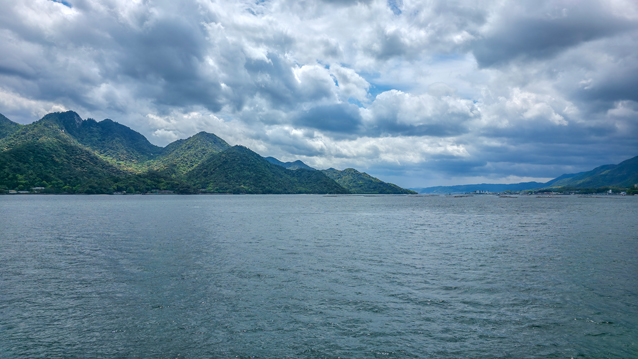
Surrounding land when taking the ferry to Miyajima Island
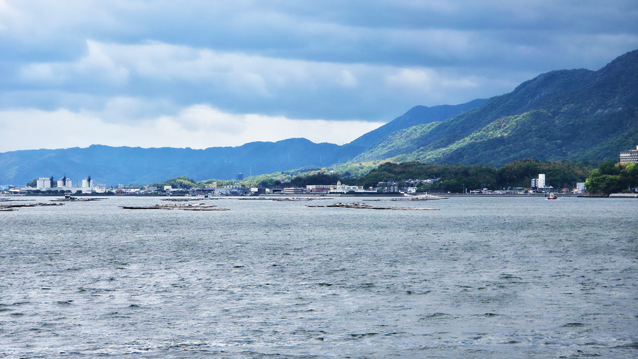
Surrounding land when taking the ferry to Miyajima Island
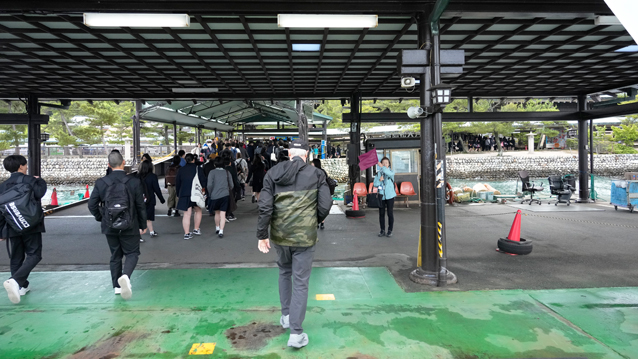
Leaving the ferry to go to Miyajima Island.
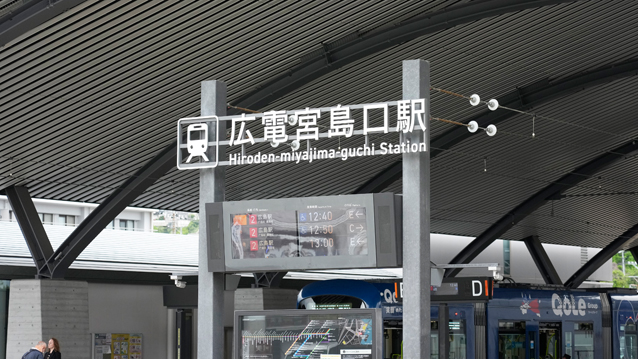
Hiroden Miyajima Guchi Station
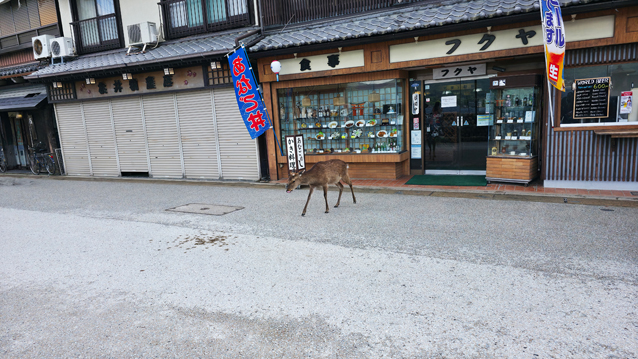
The wild deer.
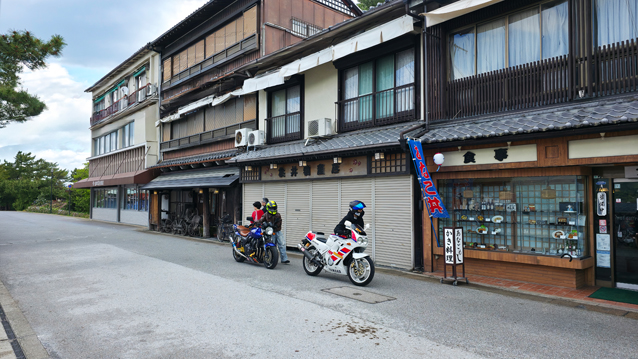
Walking to the Temple.
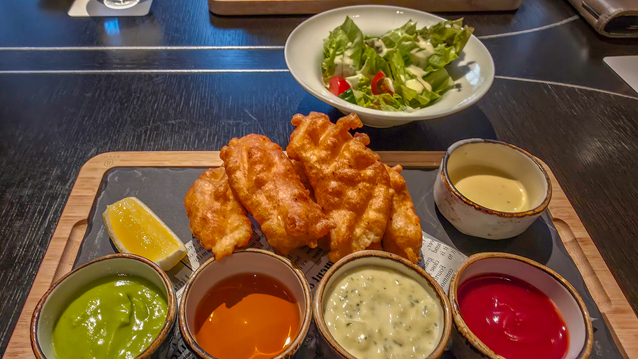
Traditional Japanese cuisine, known as washoku, is based on rice, fresh seafood, and seasonal vegetables. Rooted in the concept of umami (savory depth), it emphasizes natural flavors, artistic presentation, and balance. Meals are typically structured around the ichiju sansai (one soup, three sides) philosophy. We always enjoyed our meals!