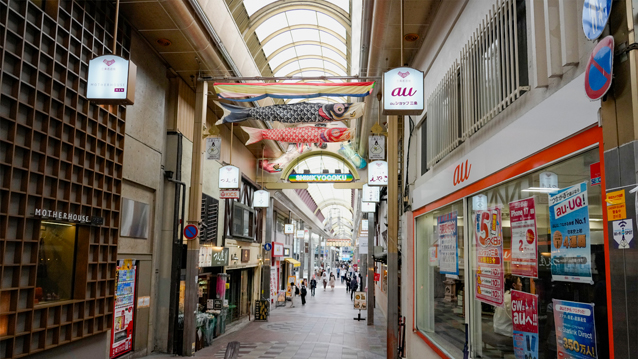
Over 3,000 temples and shrines...
Kyoto, the former imperial capital for over 1,000 years, is the heart of traditional Japan, blending breathtaking, ancient temples with vibrant, modern life. We walked through the iconic Arashiyama bamboo grove, and visited the Sanjusajendo Temple, famous for its 1,001 statues of Kannon, the Buddhist goddess of mercy.
Sanjūsangen-dō (Rengeō-in) in Kyoto is a breathtaking 12th-century temple, world-renowned for its 120-meter-long wooden hall—the longest in Japan—housing 1,001 life-sized, gold-leafed statues of Kannon, the goddess of mercy. Founded in 1164, this serene, atmospheric site offers a profound experience of ancient Buddhist art and spiritual heritage. The hall features a massive seated central Kannon, surrounded by 1,000 human-sized standing statues, all carved from cypress in the 13th century. They are arranged in 10 rows, appearing as a "terra-cotta army" of devotion. In front of the Kannon statues are 28 detailed, dramatic sculptures of guardian deities, along with the gods of wind and thunder (Fujin and Raijin).
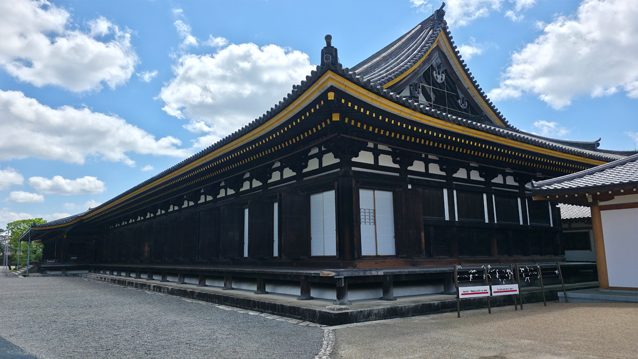
Flanking the main statue are 1,000 more life-sized statues, covered in gold leaf, with 40 arms believed to have the power to save 25 worlds! Below are several of our pictures of Sanjusajendo Temple and Gardens.
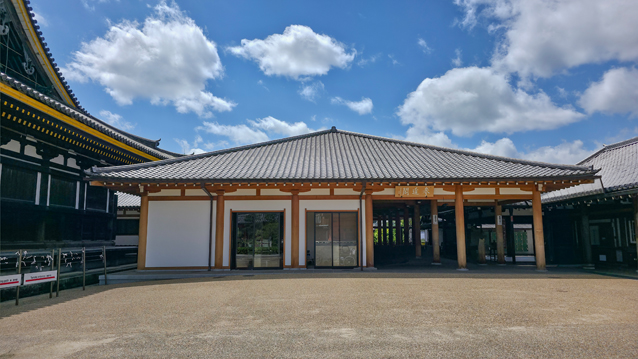
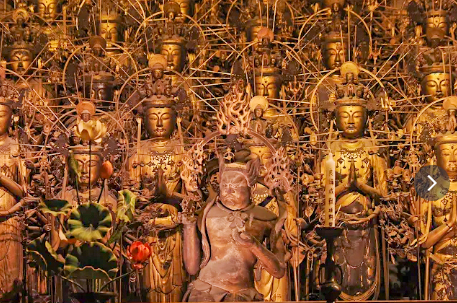
Picture of inside Sanjūsangen-dō (Rengeō-in) in Kyoto the breathtaking 12th-century temple with 1,000 life-sized statues.
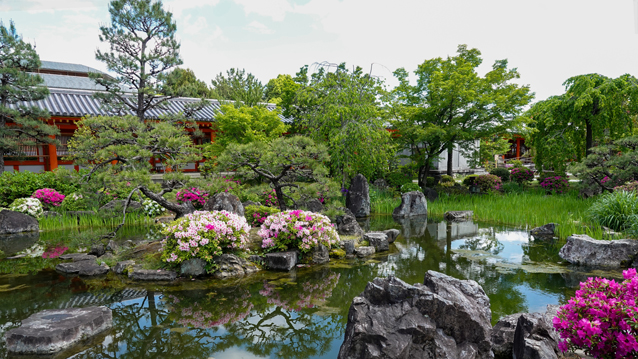
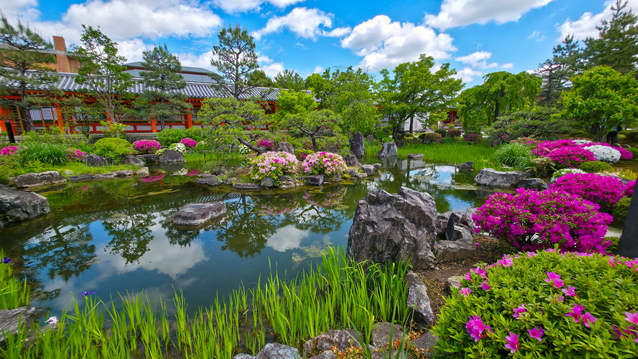
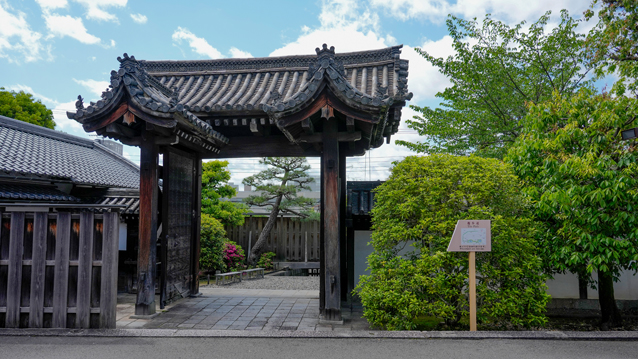
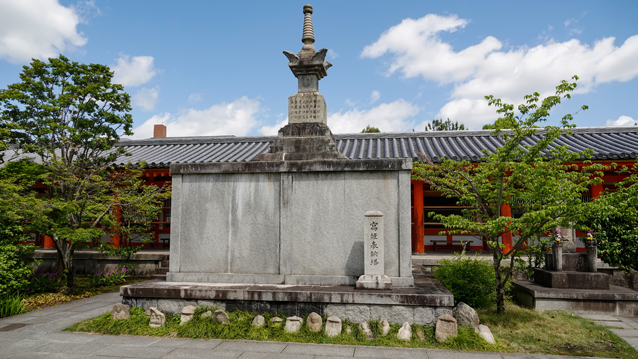
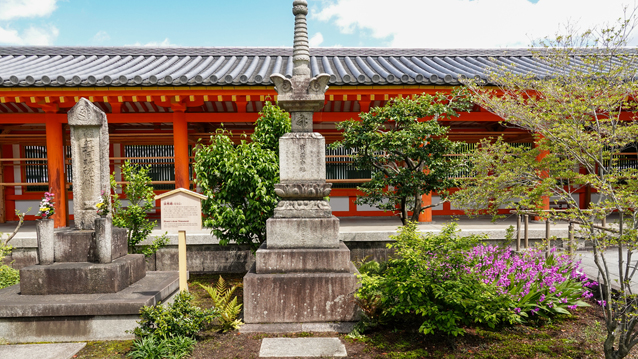
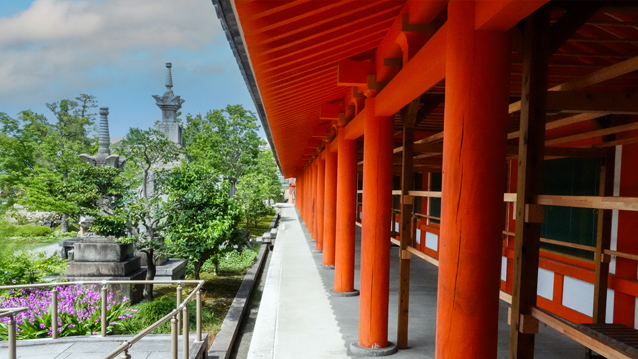
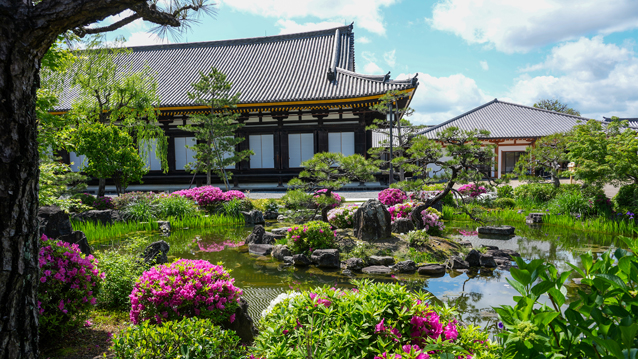
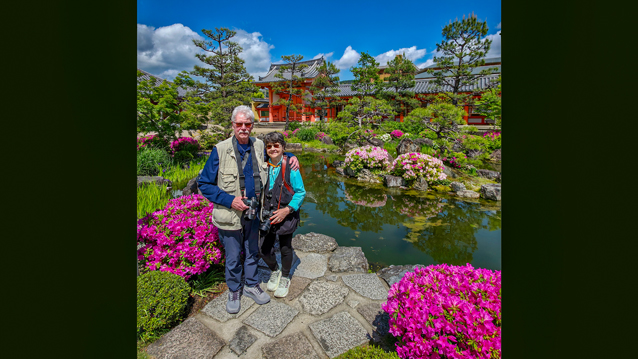
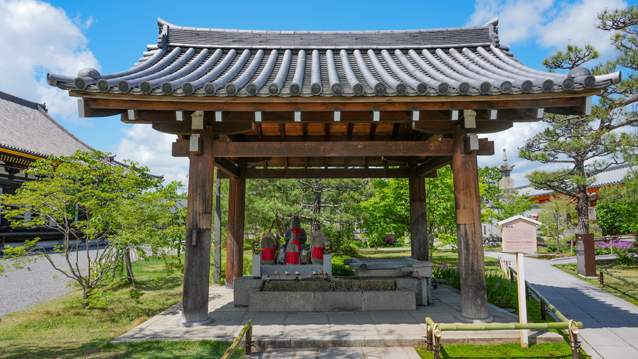
After visiting Sanjusajendo Temple and its 1,001 statues, we visited the stunning Kinkakuji, the Temple of the Gold Pavilion.
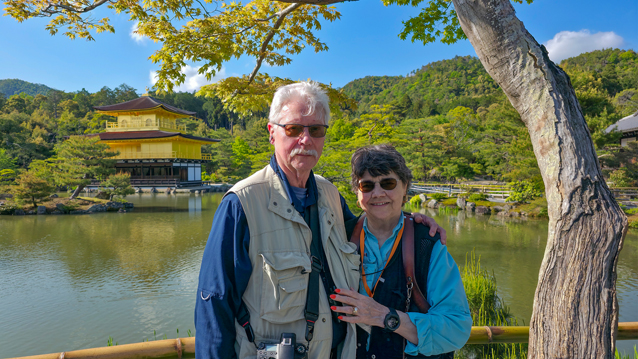
Kinkakuji, or the "Golden Pavilion," is a breathtaking Zen Buddhist temple in northern Kyoto, famous for its top two floors covered in pure gold leaf, which shimmer over the tranquil Kyoko-chi pond. Originally a 14th-century shogun's villa, this site represents the luxurious Kitayama culture and is a must-visit, iconic symbol of Japan's rich history.
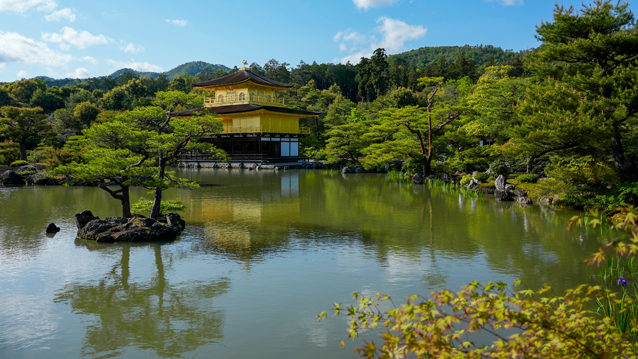
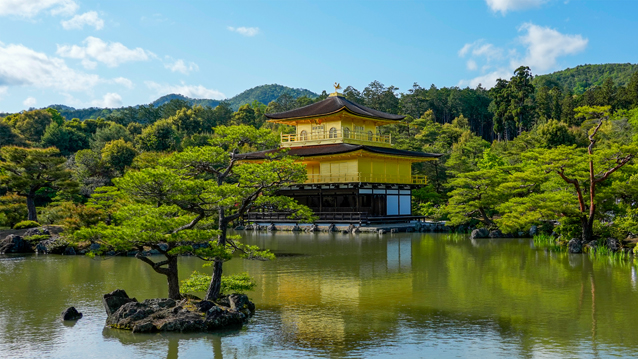
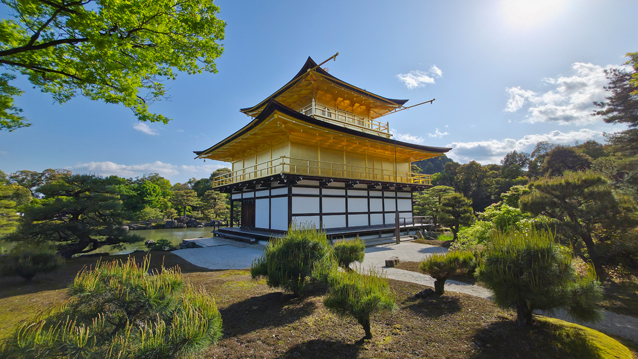
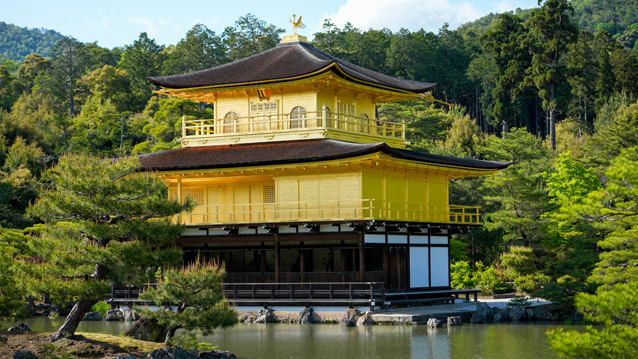
Kinkaku-ji, widely known as the Golden Pavilion is one of Japan's most iconic landmarks.
Yuzen Handmade Corner in Kyoto offers an authentic experience of traditional Japanese Kyo-Yuzen dyeing. Located in a historic, residential area, this workshop allows you to create custom items, such as textiles or fan art or napkins, using centuries-old techniques guided by expert artisans. I highly recommended this hands-on cultural experience. We got to choose our own colors and designs. We worked with master artisans offering guidance on color harmony. It was a hands-on experience. We painted with stencils, using brushes for detailed work, and applying techniques like bokashi (gradation).
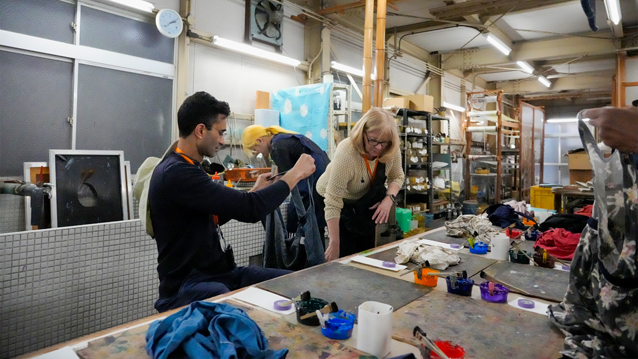
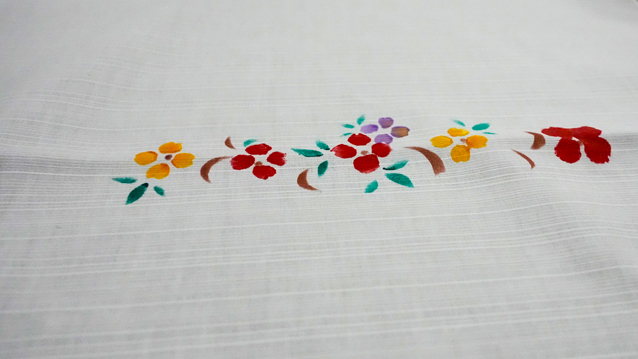
We took home our own personally crafted Yuzen-napkin which serves as a meaningful, handmade souvenir. Our session was led by experienced artists, ensuring a professional, welcoming atmosphere that allows you to make something you will truly treasure.
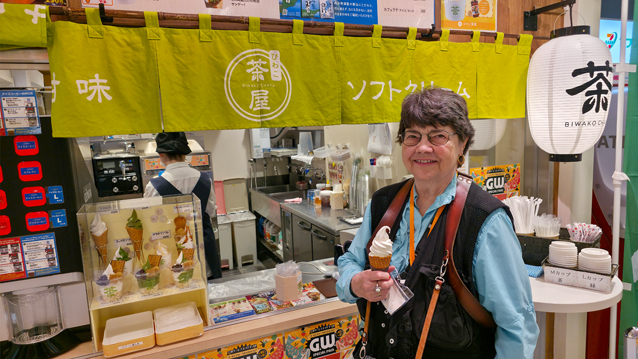
Japanese wasabi ice cream is an unexpected, sweet-and-spicy treat. It typically features a creamy base (like vanilla) infused with a subtle, sharp wasabi kick. It is usually sold as a soft-serve at tourist spots in Japan. I had more of these ice cream cones than I should have!
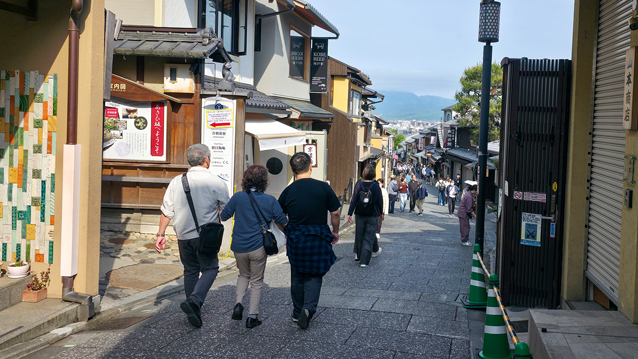
Walking to Kiyomizu-dera Temple is half the experience of visiting this iconic Kyoto temple. The final approach is an uphill climb that takes about 10–15 minutes. It winds through beautifully preserved historic streets filled with traditional wooden townhouses, craft shops, and street food.
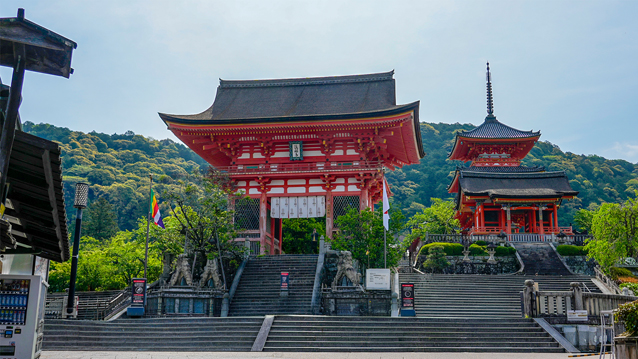
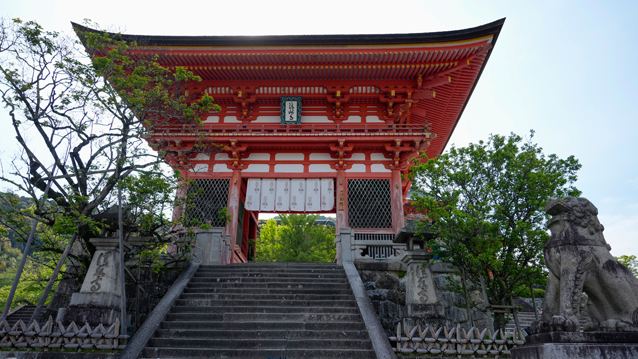
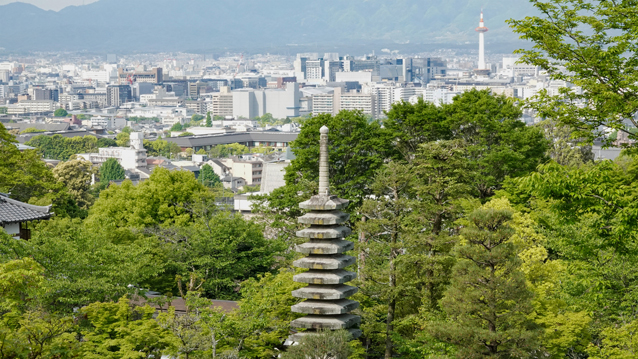
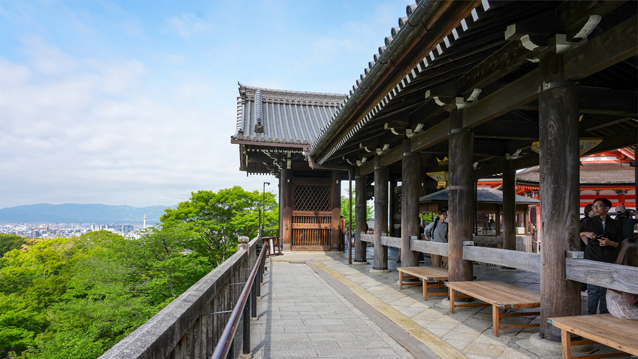
Founded in 778, Kiyomizu-dera ("Pure Water Temple") is a iconic site in Kyoto, renowned for its massive wooden stage, panoramic city views, and the sacred Otowa Waterfall. Located in the eastern Higashiyama district, this historic temple offers a breathtaking, nail-free architectural experience surrounded by cherry blossoms and autumn maples. We're glad we went during cherry blossom season.
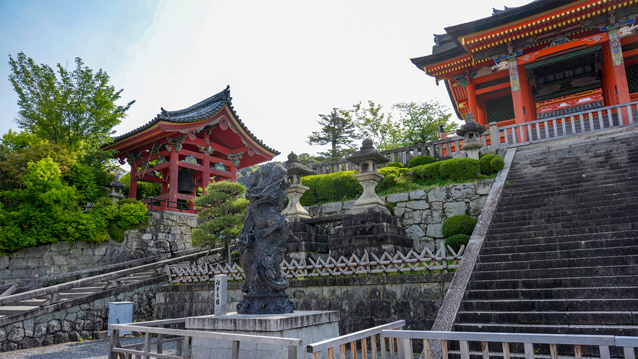
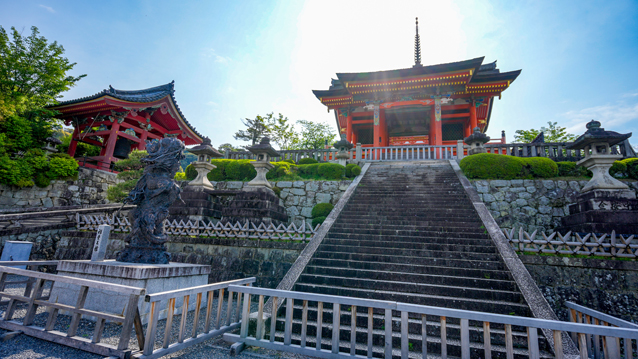
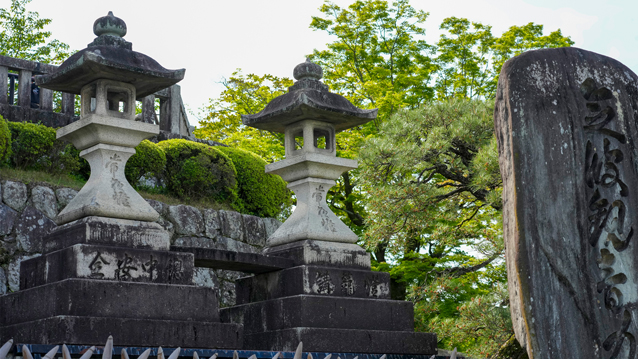
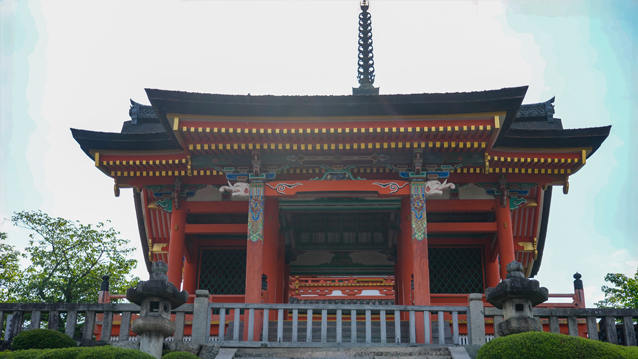
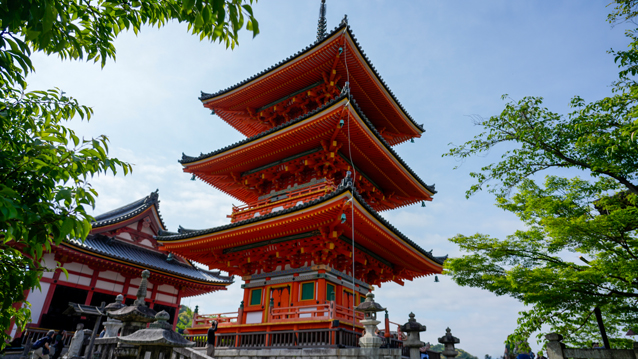
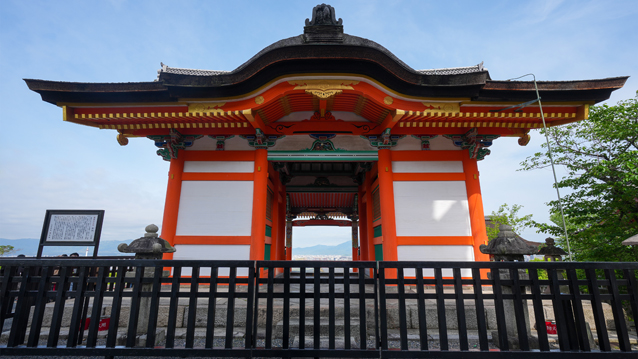
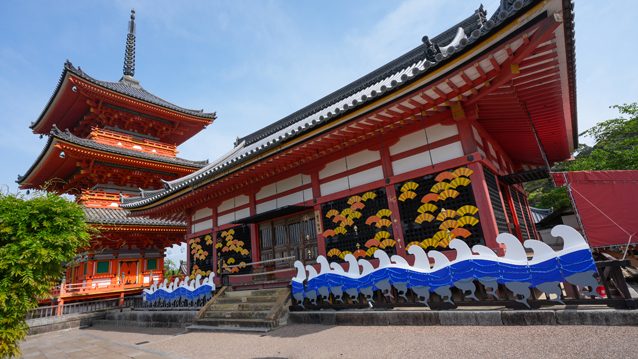
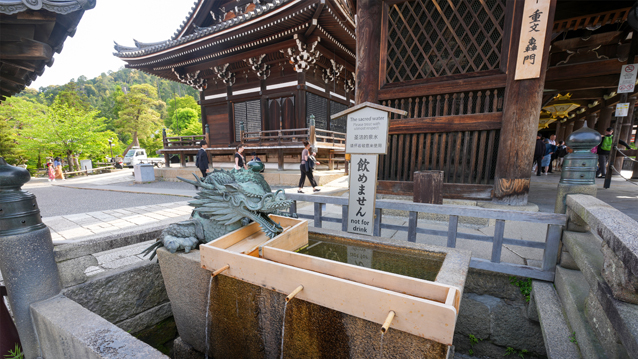
Kiyomizu-dera-Temple Water ablution pavilion used for purification before entering the main temple.
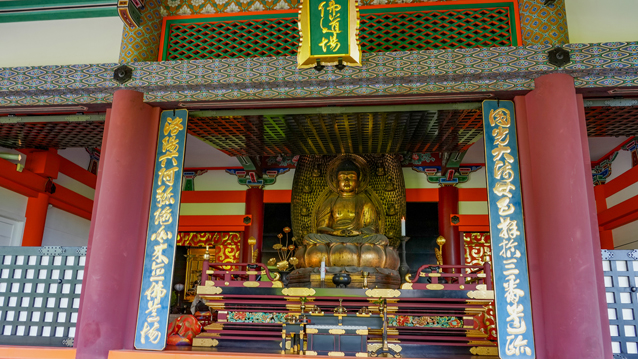
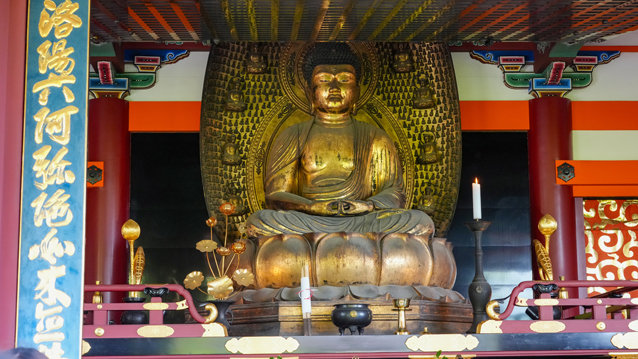
Golden Buddha figure in the Kiyomizu-dera Temple complex, in the Okunoin Hall.
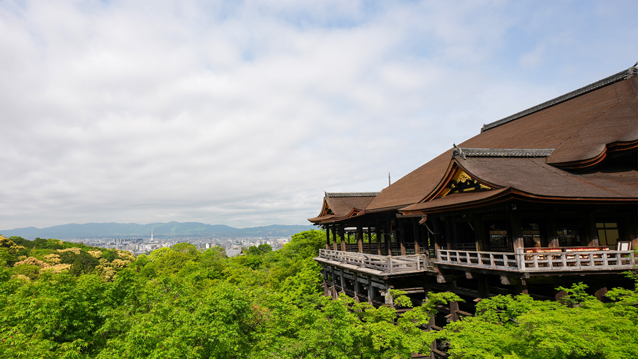
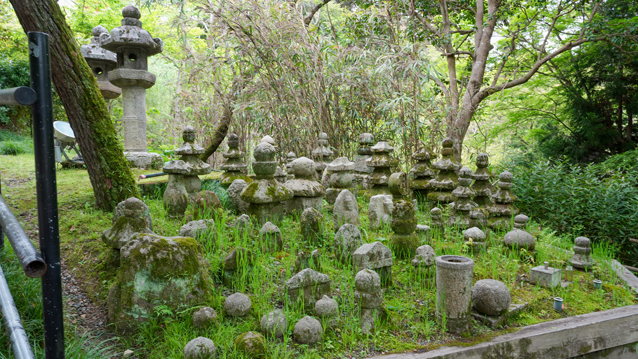
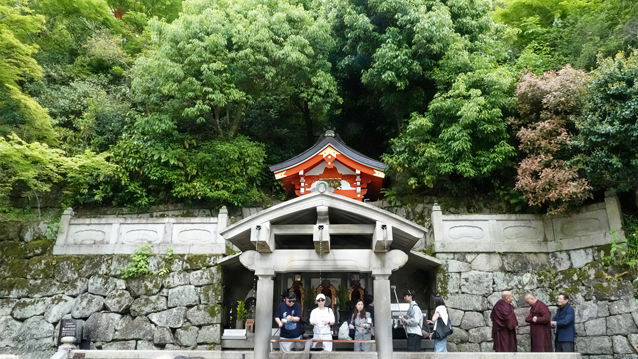
Kiyomizudera ("Pure Water Temple") is a iconic site in Kyoto, founded in 778. Visitors pray at the Otowa Waterfall for health, love, or success.
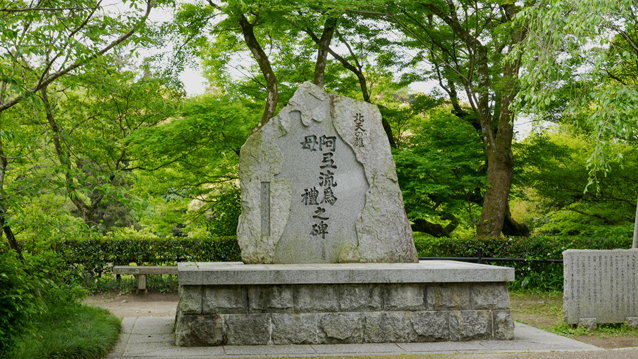
The Monument of Aterui and More located on the grounds of Kiyomizu-dera Temple. They were military leaders for the Emishi people in northern Japan and fought against the central imperial army in the early 9th century.
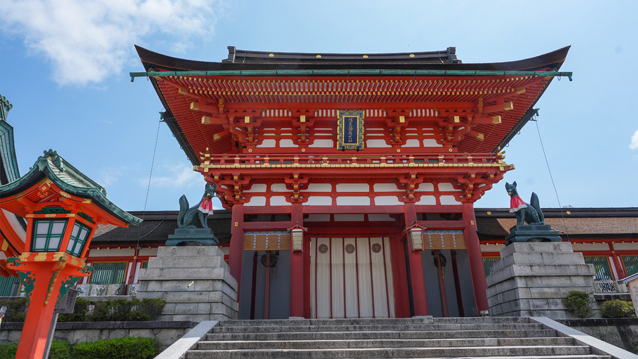
We went on to visit one of the city''s most important sites: Fushimi Inari Shrine (Fushimi Inari Taisha). It is Kyoto's iconic Shinto shrine, renowned for thousands of vermilion torii gates forming trails up the 233-meter Mount Inari. Founded in 711 AD, it is the head shrine for Inari, the god of rice and business, and offers a magical, hiking-intensive experience with stunning city views.
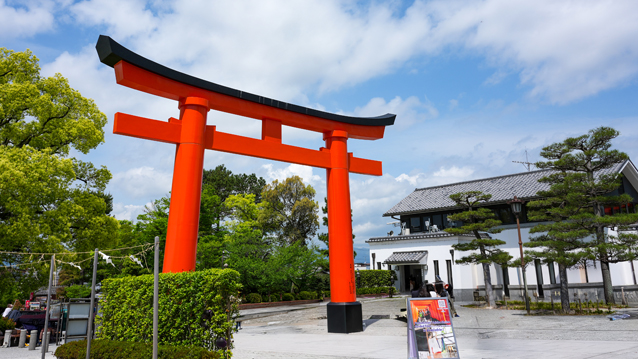
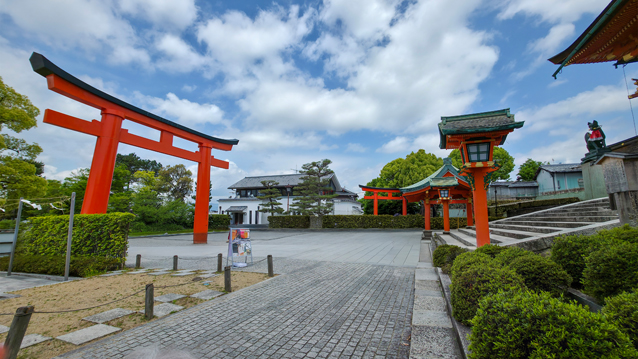
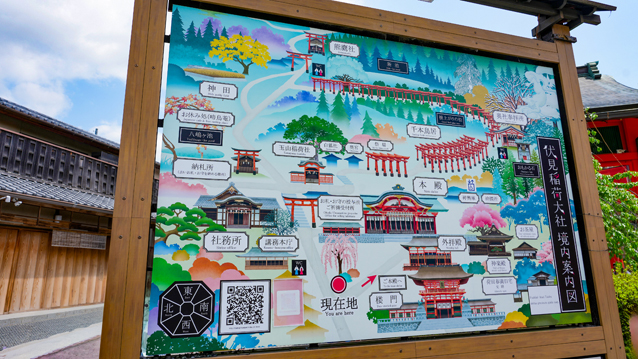
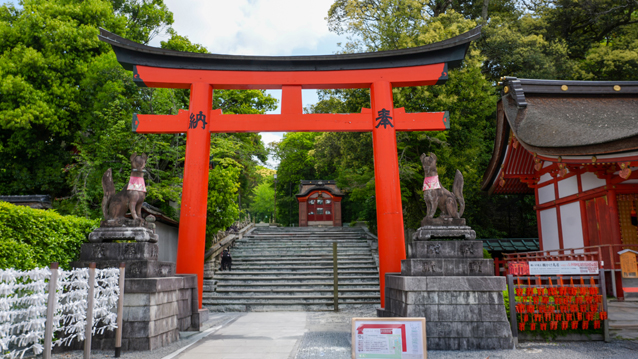
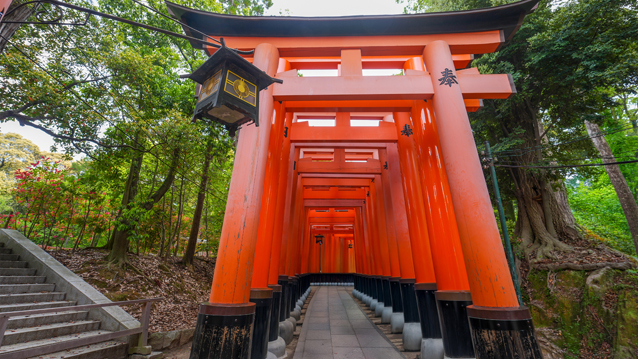
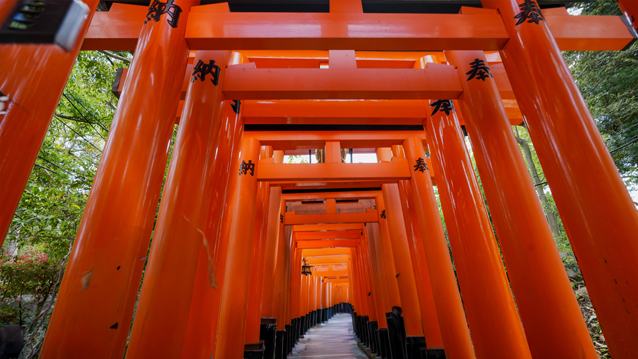
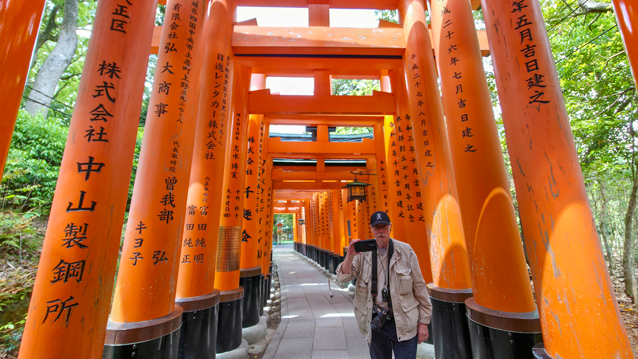
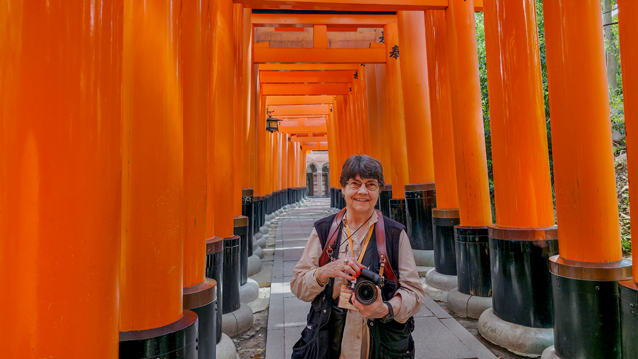
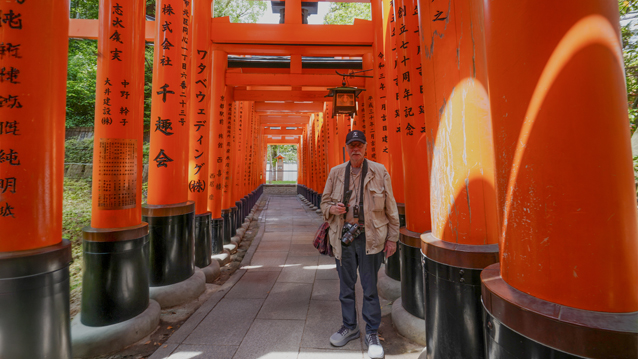
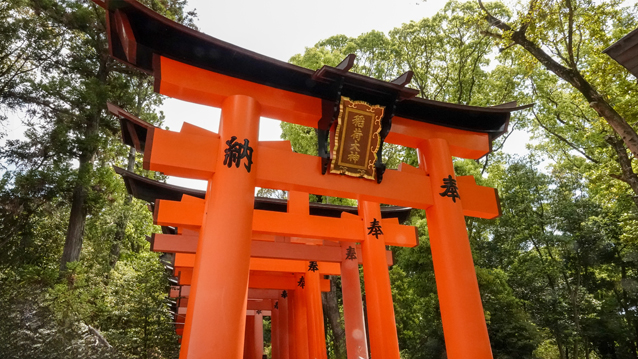
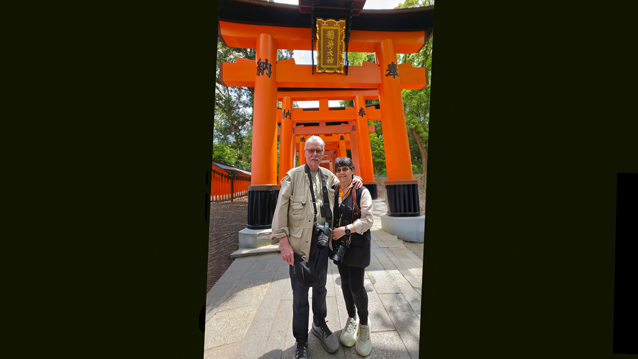
We enjoyed seeing the mesmerizing tunnels of over 10,000 vibrant vermilion (red-orange) torii gates. From Fushimi Inari Shrine, we went to a fun cooking class!
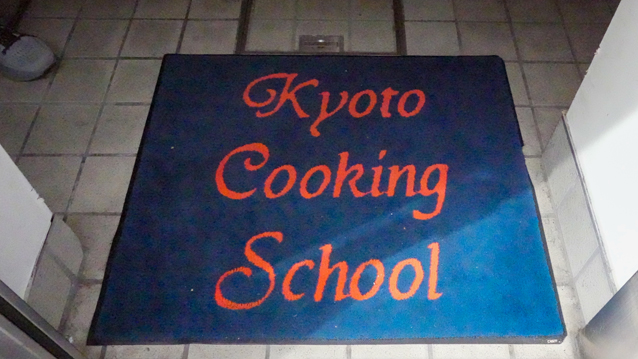
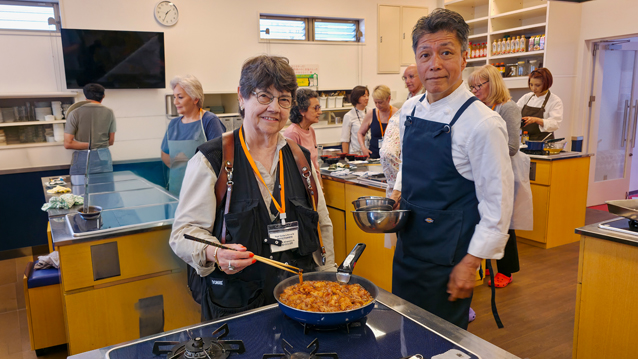
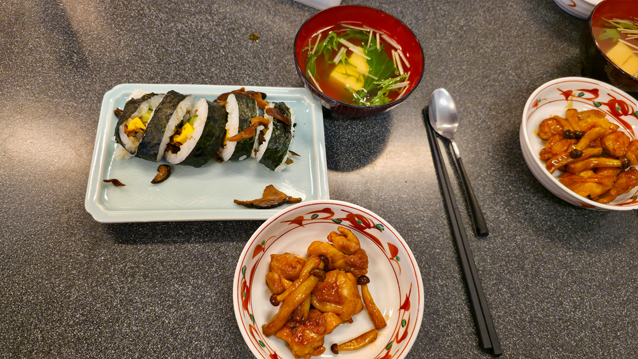
Taking a cooking class in Japan is frequently cited as a top travel highlight, offering an intimate glimpse into local culture, home-style cooking techniques, and the philosophy of hospitality. We found these classes to be one of the most memorable experience of our trip. We made our own sushi, which we normally don't eat. It was delicious!.
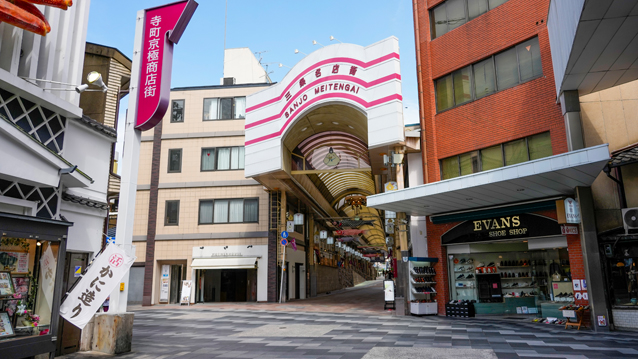
Our walk through Kyoto.