
Stunning 16th Century Treasures
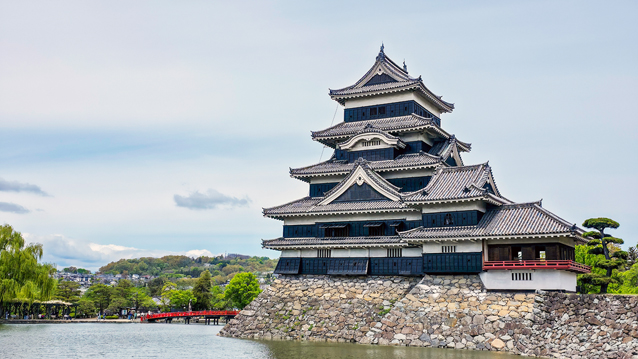
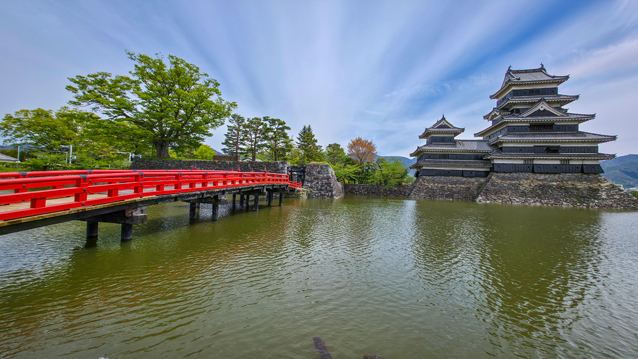
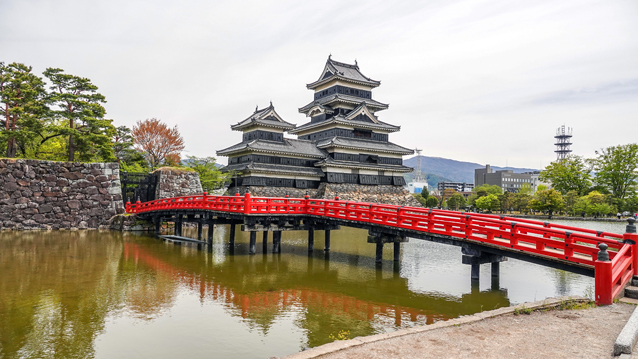
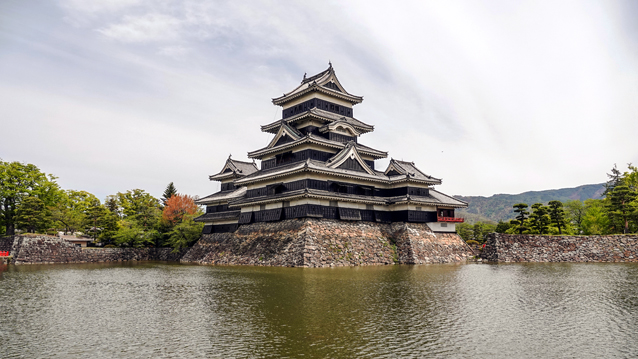
Matsumoto, a charming city in Nagano Prefecture, offers a perfect blend of historic samurai culture, artistic flair, and alpine scenery, often serving as a serene alternative to Japan's "Golden Route". Famous for its stunning 16th-century "Crow Castle," a national treasure, it also features charming, walkable streets, vibrant culinary scenes, and easy access to the Northern Japanese Alps.Matsumoto is definitely a captivating, walkable city, known as a "gateway to the Japan Alps," blending historical charm with stunning mountain scenery.
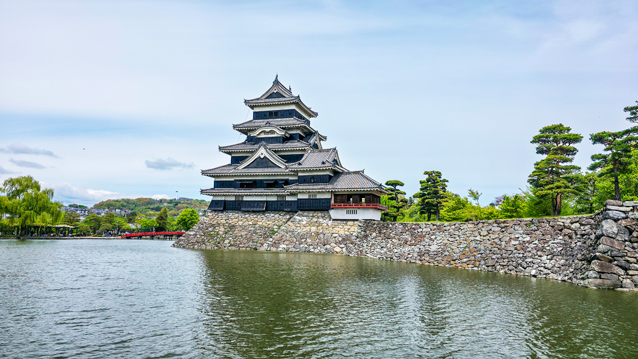
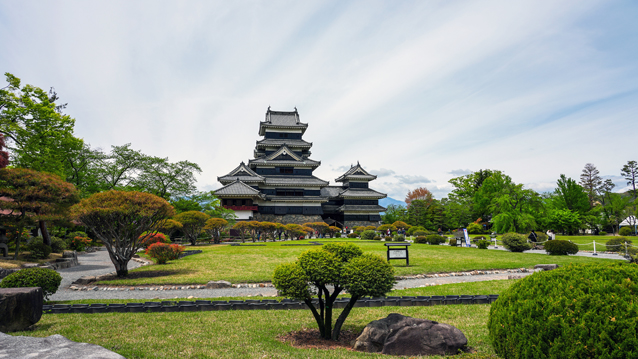
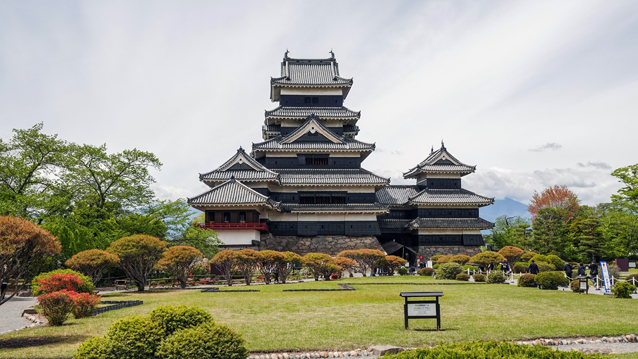
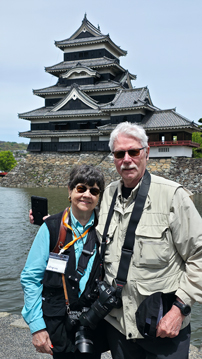
Its crown jewel is the 16th-century, jet-black Matsumoto Castle, one of Japan's premier original castles, while its streets offer unique artsy, culinary, and architectural experiences. Matsumoto Castle, located in Nagano Prefecture, is one of Japan’s premier historic, "original" castles, renowned for its stunning black-and-white exterior and designation as a National Treasure. Known as the "Crow Castle" for its unique black wainscoting, it offers a rare, authentic look into the late 16th-century Sengoku period with its original, untouched wooden interiors. We enjoyed the artsy & historic streets - we visited Nakamachi Street to see traditional white-walled kura (storehouse) buildings, and Nawate Street (Frog Street) for charming, retro shops and snacks.

Japanese wasabi farms are breathtaking, serene landscapes where this notoriously difficult plant thrives in pristine, cold, flowing water, taking up to two years to mature. Primarily located in regions like Shizuoka and Nagano, these farms (like Daio Wasabi Farm) produce the "gold standard" of wasabi, characterized by lush green terraces and crystal-clear streams. We enjoyed the opportunity to sample wasabi ice cream! Real wasabi is a rare, expensive, and notoriously difficult-to-grow plant (stem, not root) that loses its flavor 15–20 minutes after grating. Most commercial "wasabi" is actually horseradish, mustard, and green dye. True wasabi, from Wasabia japonica, is native to Japanese mountain streams, takes up to two years to mature, and offers a nuanced, fleeting, nasal-clearing heat. We loved it!
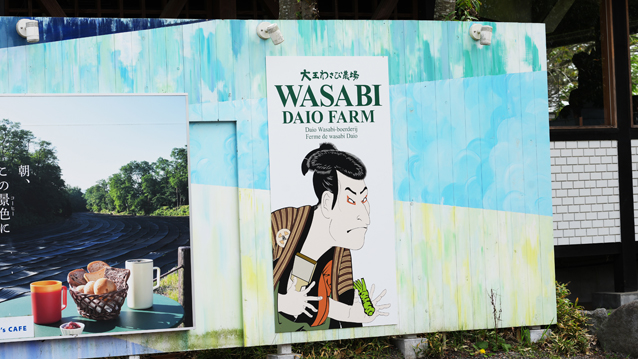
The Daiō Wasabi Farm (Daiō Wasabi Nōjō) is a wasabi farm established in 1915. It is located in Azumino, Nagano Prefecture near the center of Honshū, the main island of Japan. It is a popular tourist spot due to its watermills and the river that runs through it. We enjoyed seeing the farm and our lunch was delicious. Especially the wasabi ice cream for dessert!
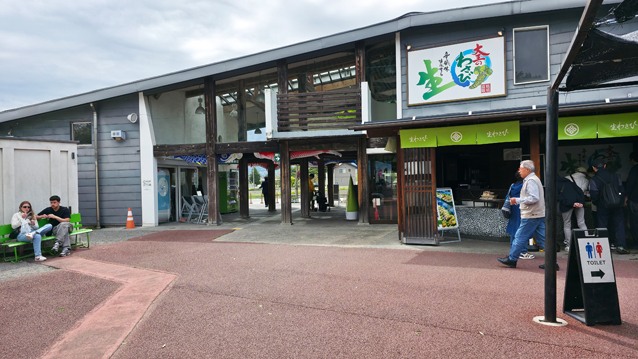
The farm features multiple shops and a restaurant. On sale is a wide variety of wasabi related products, including fresh wasabi, wasabi paste, wasabi flavored pickles and crackers, wasabi soba noodles, wasabi curry, wasabi sausages, wasabi dressing, wasabi beer, wasabi juice, wasabi soft cream and wasabi chocolate.
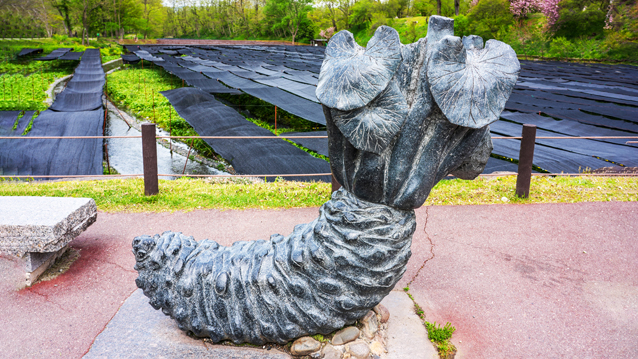
This statue is a representation of the wasabi plant. It's an interesting farm. It has been attractively developed for tourists with walking trails between the fields. Within the farm stands the Daio Shrine, which enshrines the spirit of an ancient local hero, Hachimen Daio, after which the farm has been named and who is considered the farm's protector. Nearby the shrine is also a small cave related to the local hero's legend.
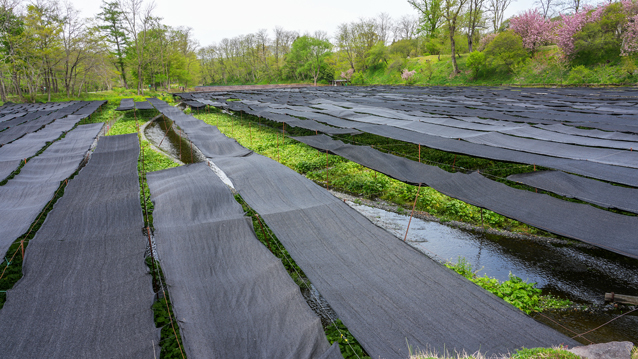
Growing wasabi is notoriously tricky because it requires highly specific, cool, and humid conditions. Full, deep shade is required.
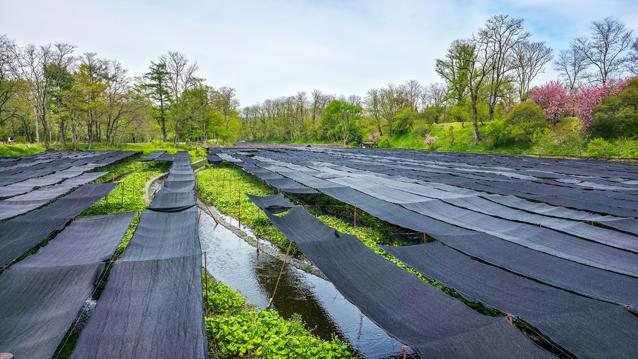
To succeed, you need constant deep shade. The soil must be consistently damp but well drained, and you need to maintain an ambient temperature between 40 degrees and 70 degrees Fahrenheit
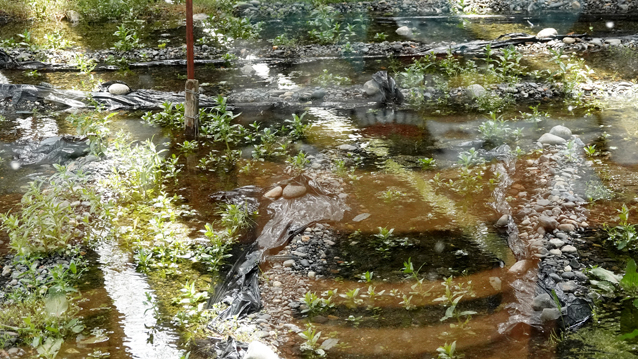
True wasabi takes about 18 to 24 months to mature. The stem is grated into fresh wasabi paste. The leaves can be used for salads and sandwitches.
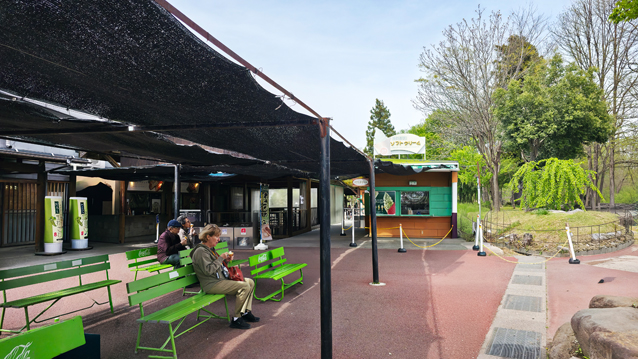
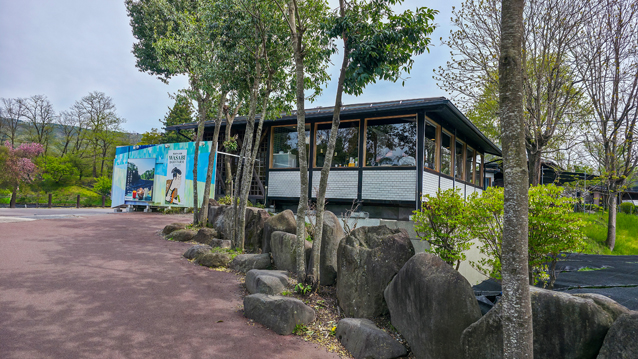
The Ice Cream Stand and waiting area.