
Unexpected Charm.
Tokyo is a dazzling, safe, and efficient megalopolis of 14 million, serving as Japan’s "Eastern Capital" where futuristic technology and neon lights clash perfectly with serene, historic traditions. It is the world’s most populous metropolis, renowned for its Michelin-starred dining, unparalleled shopping, and organized chaos like the iconic Shibuya Scramble. The evening of the first day we arrived in Tokyo, we went to see their "Night & Light" projection mapping. Tokyo offers spectacular light shows, highlighted by the year-round Tokyo Night & Light projection mapping on the Metropolitan Government Building in Shinjuku. Below are some photos we took when we arrived in Tokyo.
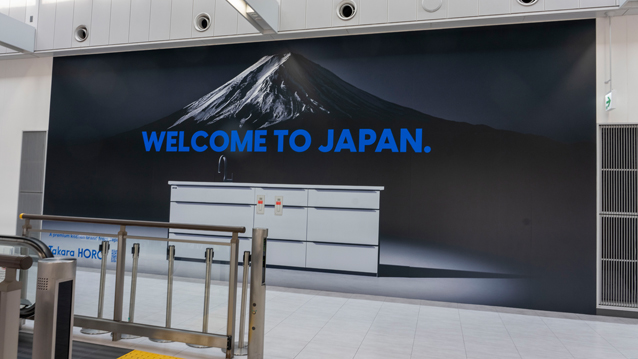
Our arrival at the Tokyo Narita Airport.
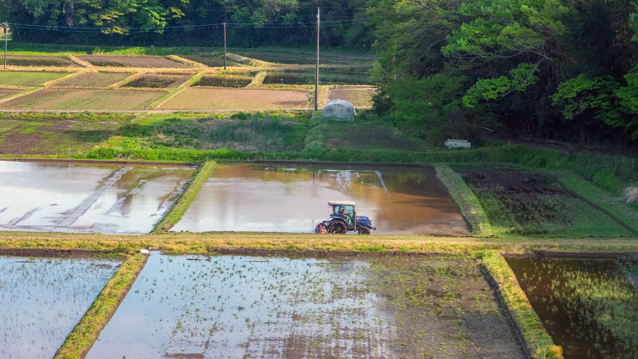
Rice fields as seen from the air over the Narita Airport area.
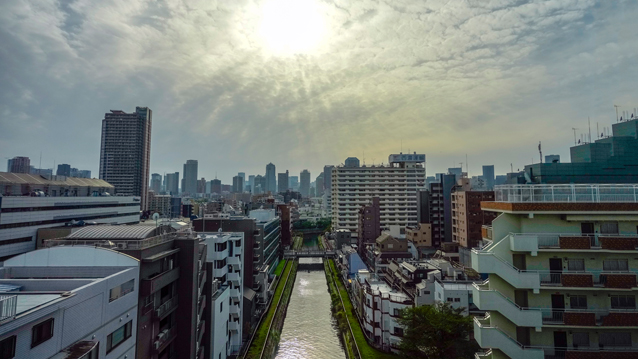
Our drive from Narita Airport to the Tokyo Hilton.
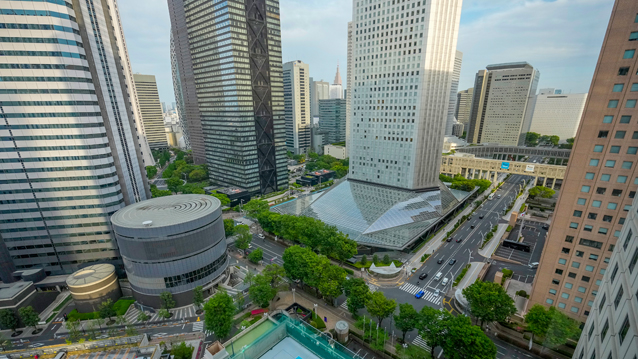
View from our room at the Tokyo Hilton.
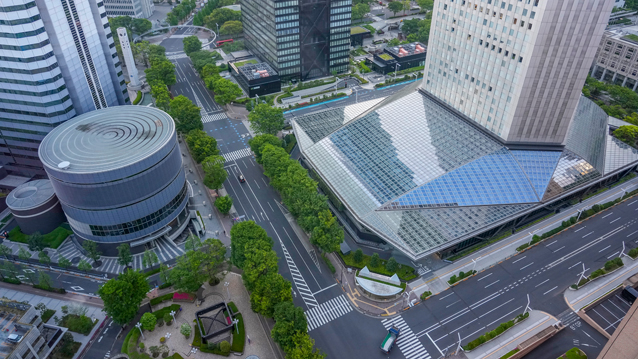
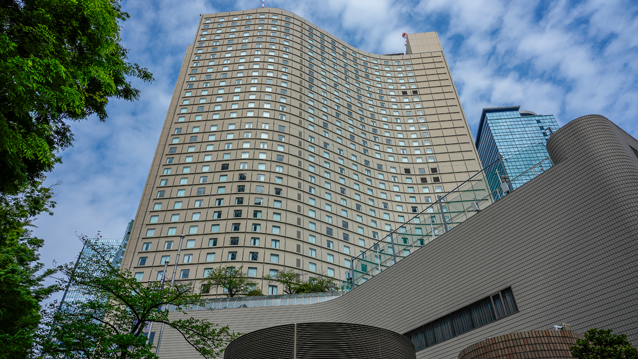
The Tokyo Hilton Hotel
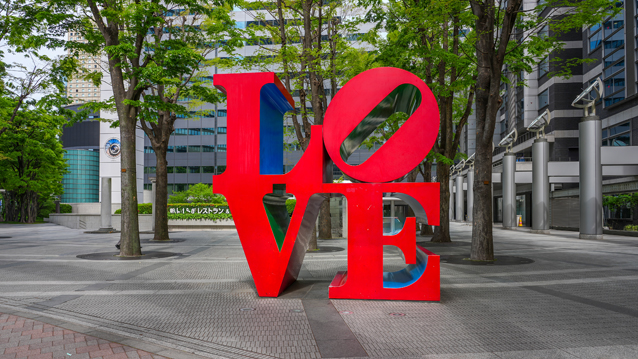
Love sculpture by American artist Robert Indiana.
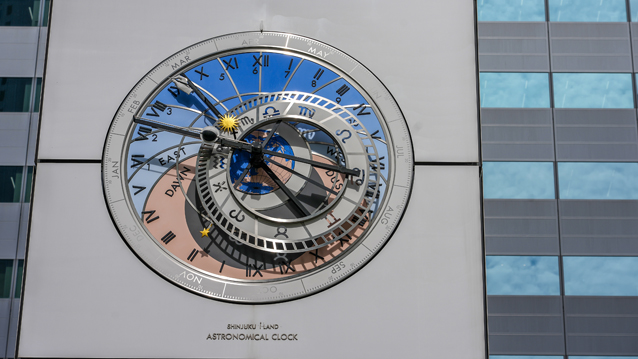
Astronomical Clock
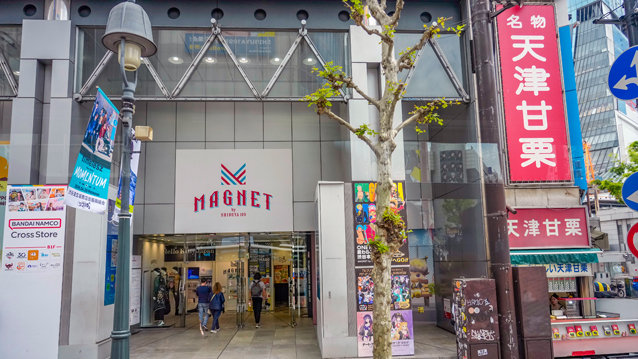
The Magnet
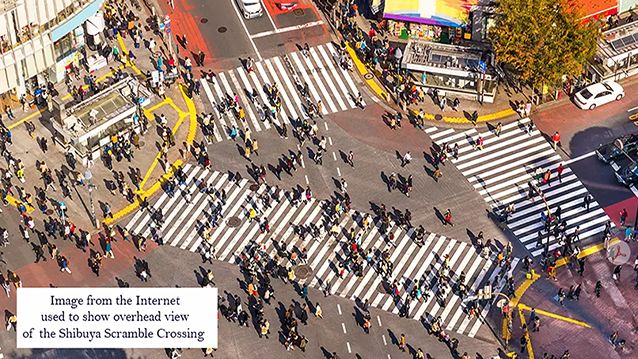
Aerial view of theWorld Renowned Intersection, the Shibuya Scramble Crossing. (Photo from the internet)
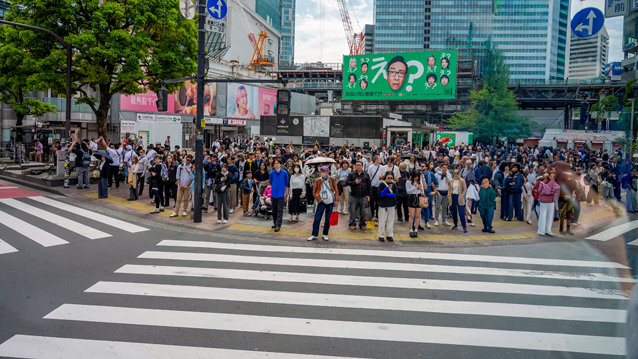
Shibuya Scramble Crossing World Renowned Intersection.
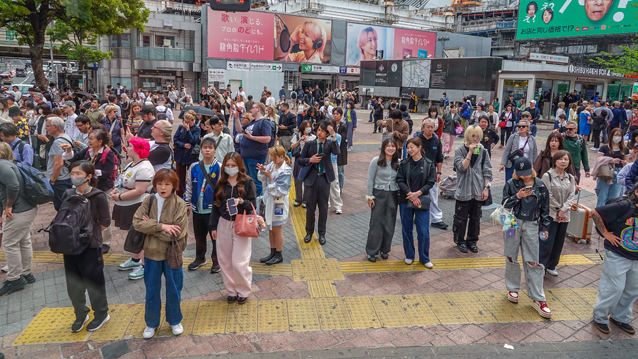
Shibuya Scramble Crossing World Renowned Intersection.
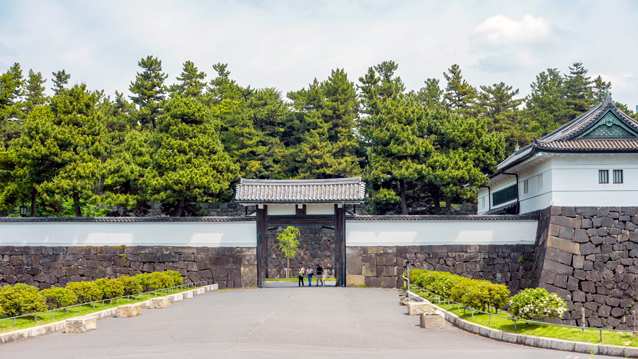
Sakurada Gate, Only remaining sectiion of the EDO castle.
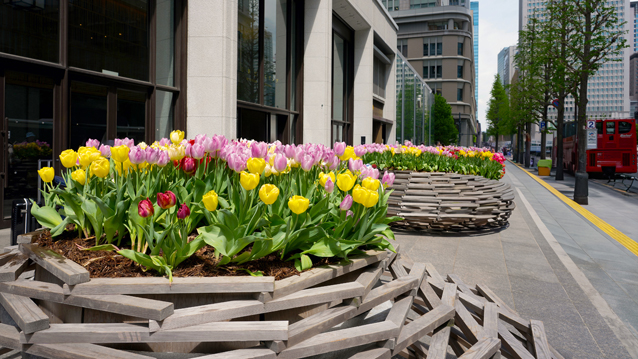
Floral display
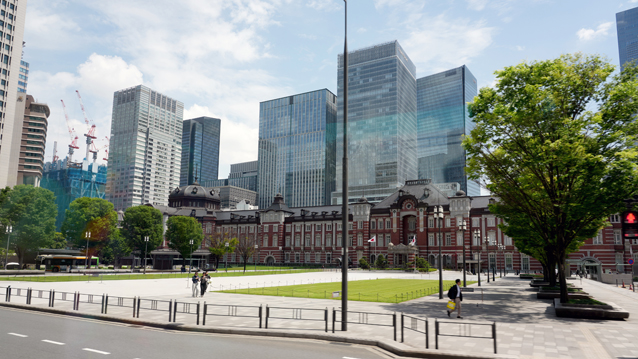
Tokyo Train Station
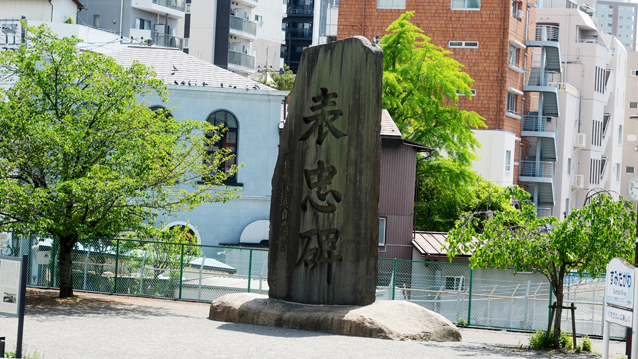
Hyochu Hi Monument to Honorable Chu.
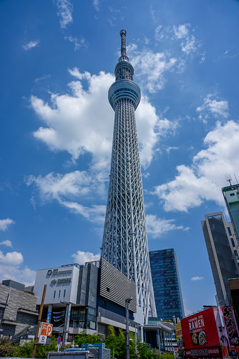
Tokyo Skytree, the tallest tower in the world.
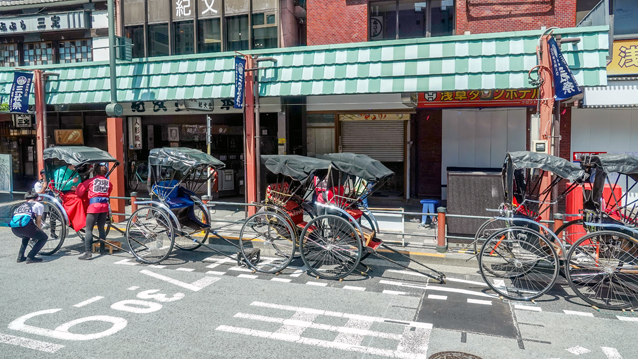
Rickshaws in Asakusa District, Tokyo.
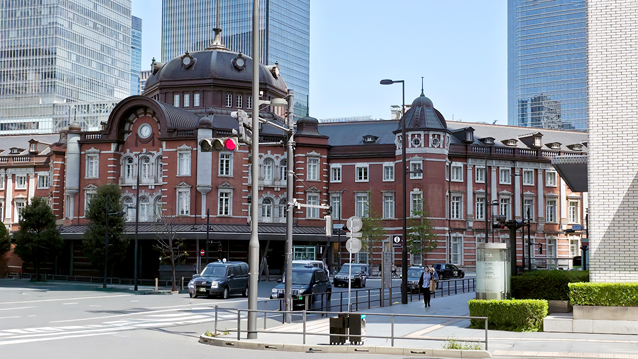
Tokyo Train Station
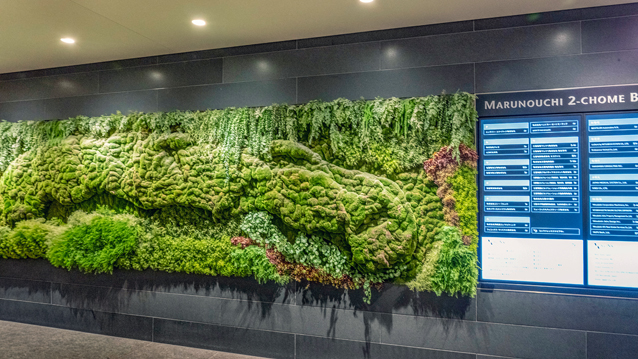
Plant wall.
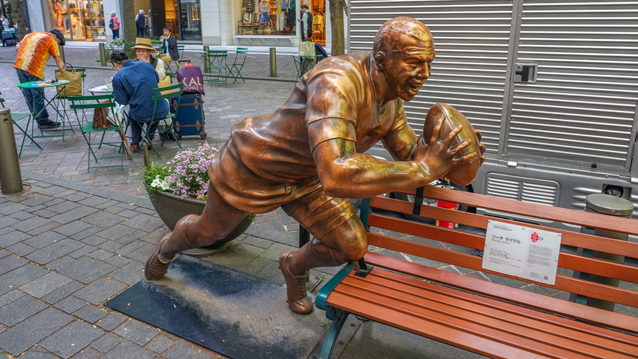
Rugby player Michael Leitch on Marunouchi Street Gallery.
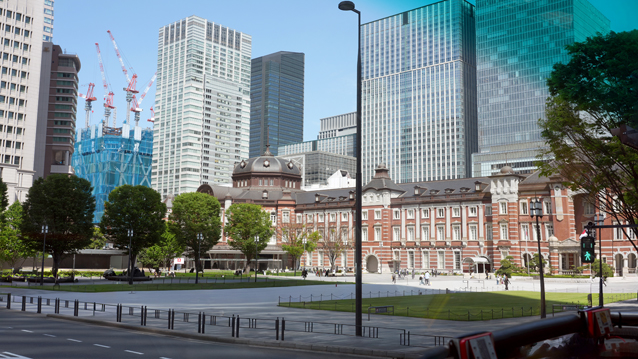
Tokyo Train Station
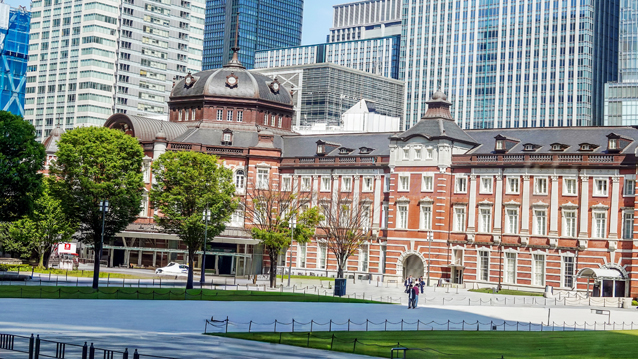
Tokyo Train Station
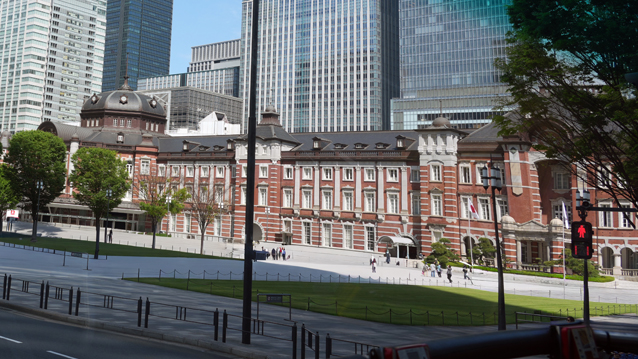
Tokyo Train Station
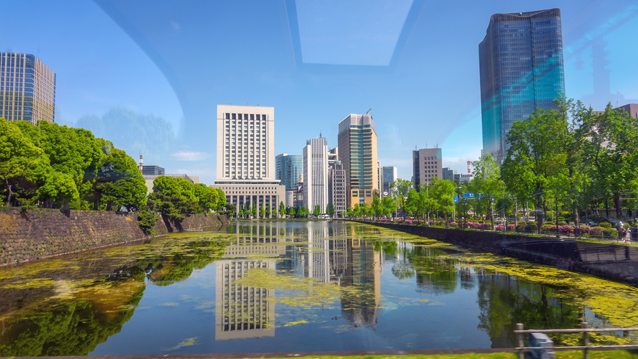
Imperial Palace Hibiya Moat
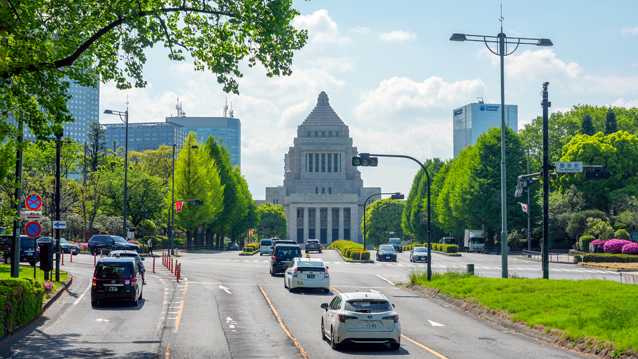
National Diet Building, Center of the Japanese Government.
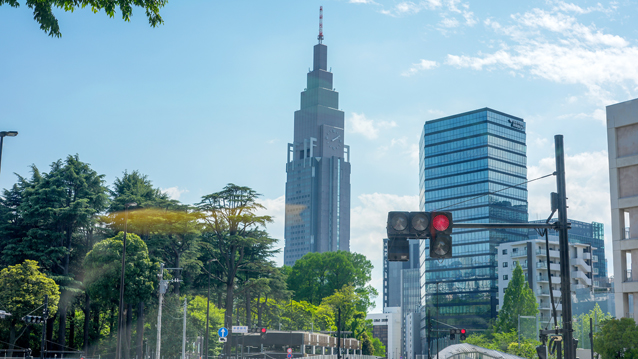
NTT Docomo Yoyogi Building.
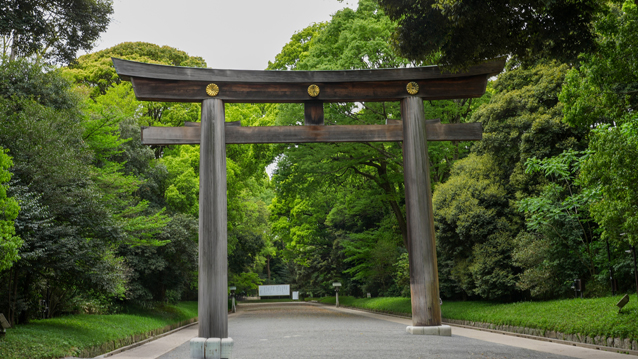
The next morning, we started with a visit to Meiji Shrine, a magnificant 20th century Shinto monument set in a man-made forest. The Meiji Shrine (Meiji Jingu) is a serene Shinto oasis located in the heart of Tokyo, dedicated to Emperor Meiji and Empress Shoken. Surrounded by a 70-hectare, 100,000-tree forest near Shibuya, it offers a dramatic, tranquil escape from the nearby bustling Harajuku streets. The site, established in 1920 and rebuilt after WWII, features impressive cypress torii gates and traditional architecture as seen in our pictures and you-tube videos. Below are some of our pictures.
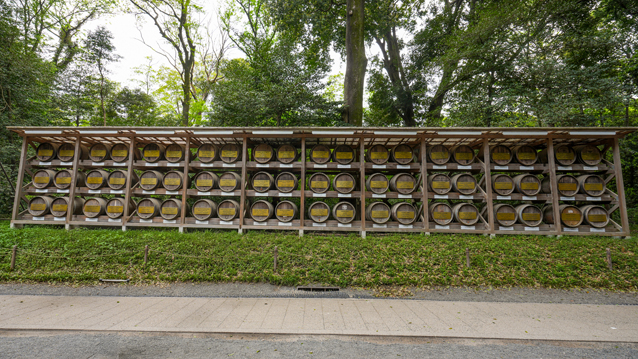
Meiji Shrine display of wine barrels.
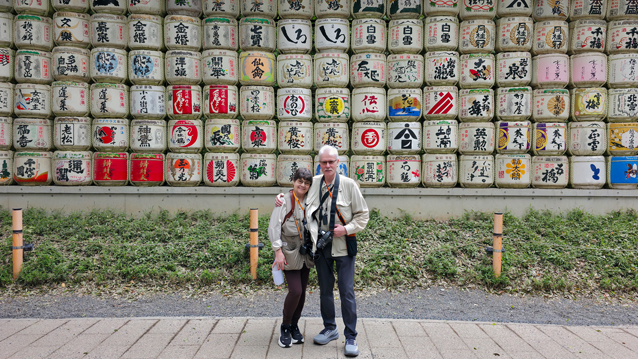
Meiji Jingu Shrine Sake Barrels.
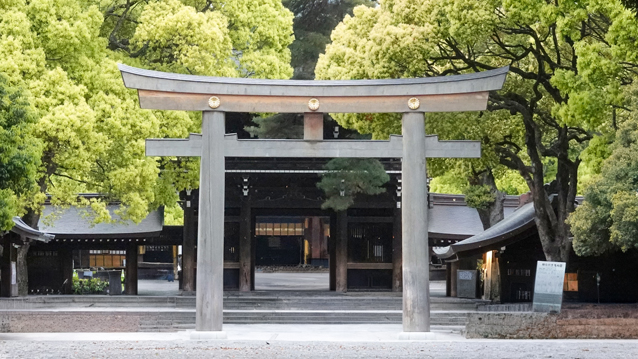
Meiji Jingu Shrine Torii Gates
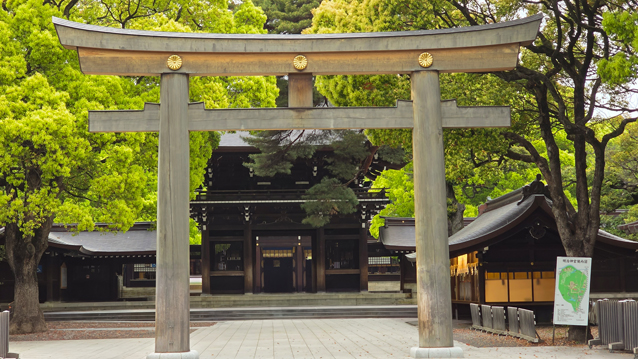
Meiji Jingu Shrine Torii Gates
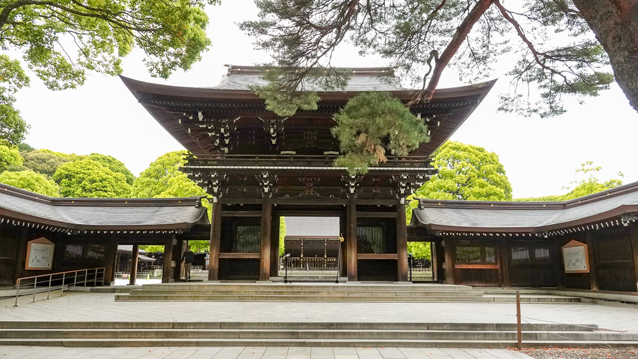
Meiji Jingu Shrine Kaguraden.
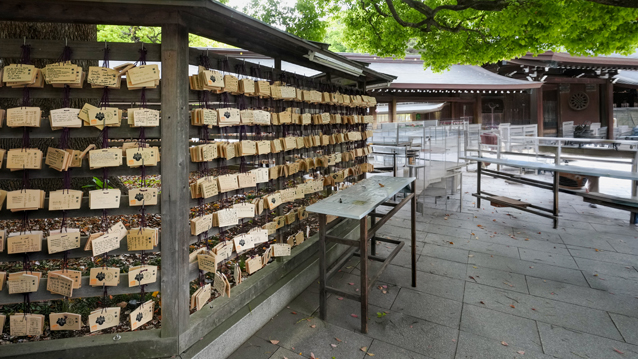
Meiji Jingu Shrine Votive Tablet Wall, Shibuya, Tokyo.
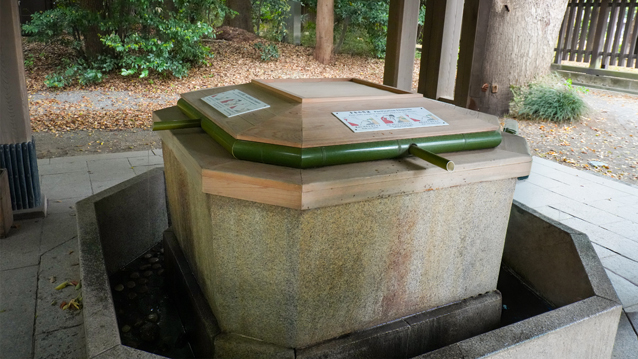
Meiji Shrine Traditional Water Purification Pavilion Shibuya, Tokyo. From here, we drove towards our Japanese Tea Ceremony later this afternoon.
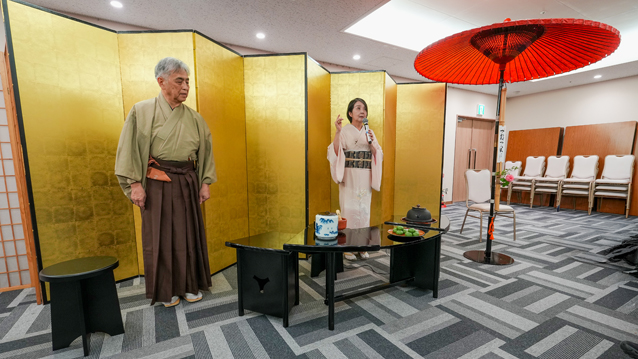
The Japanese tea ceremony, known as chanoyu, sadō, or chadō ("The Way of Tea"), is a choreographed ritual of preparing and serving Japanese green tea (matcha) together with traditional sweets to balance the bitter taste of the tea. Rooted in Zen Buddhism, it is a meditative practice focusing on mindfulness, respect, and finding beauty in simplicity, often serving as a tranquil escape from everyday life. It's held in a minimalist tea room, surrounded by a garden. It's quite a ritual and atmosphere. Well worth partaking in. I didn't care for the taste of the tea but the intricate ceremony was something to experiene. Every movement has a reason. After our tea ceremony, we went on to a calligraphy class.
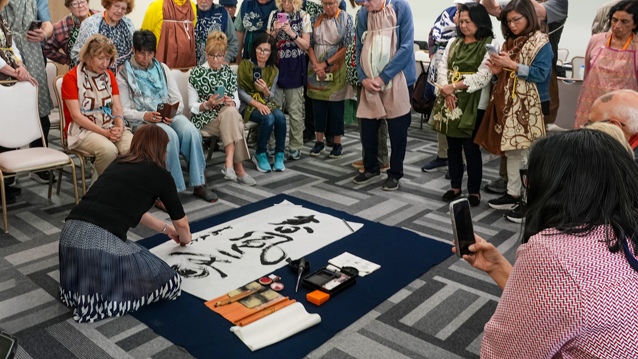
Japanese calligraphy, known as Shodō ("the way of writing"), is a profound art form that merges precise technique with a meditative, Zen-like philosophy. Taking our lesson in Japan was an immersive experience that allows one to connect with cultural heritage and personal creativity, rather than just acquiring a new skil. I don't think we ended up with much skill but it was a lot of fun!
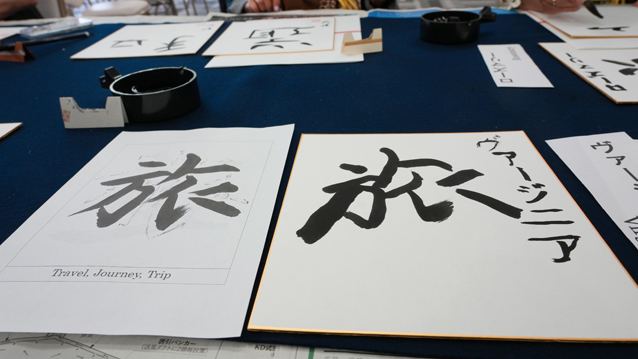
Calligraphy class.
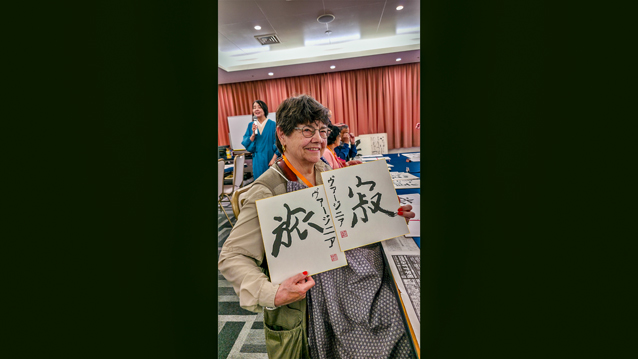
Virginia with her Calligraphy class souvenirs.
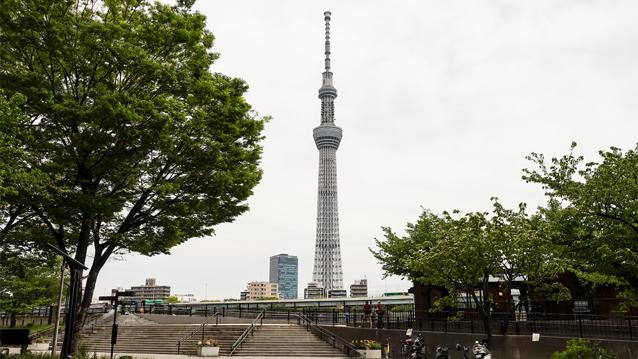
Tokyo Skytree, the tallest tower in the world and a major broadcasting landmark. Located along the Sumida River, popular for walking and viewing cherry blossoms.
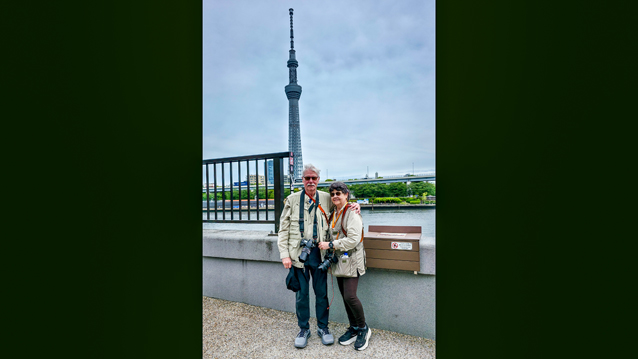
John and Virginia in front of the Tokyo Skytree, the tallest tower in the world and a major broadcasting landmark. Located along the Sumida River.
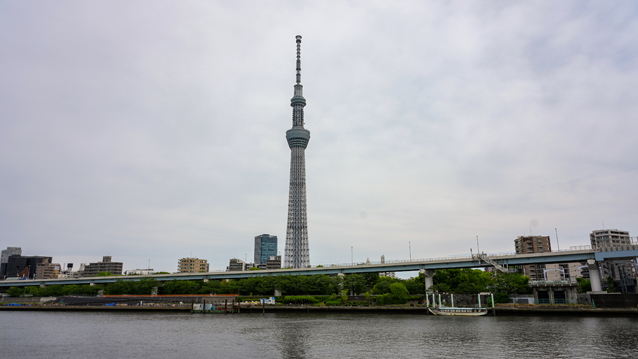
Tokyo Skytree, the tallest tower in the world and a major broadcasting landmark. Located along the Sumida River
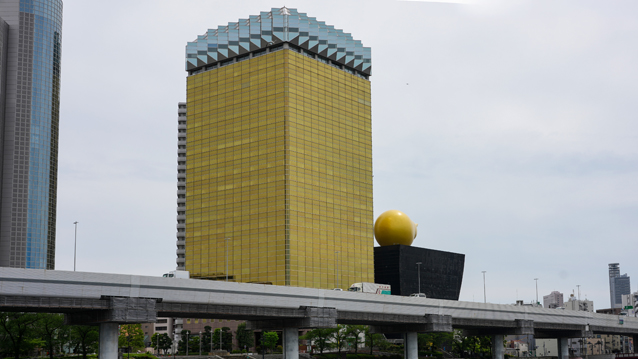
Aashi Breweries Headquarters on the Sumida River walk area.
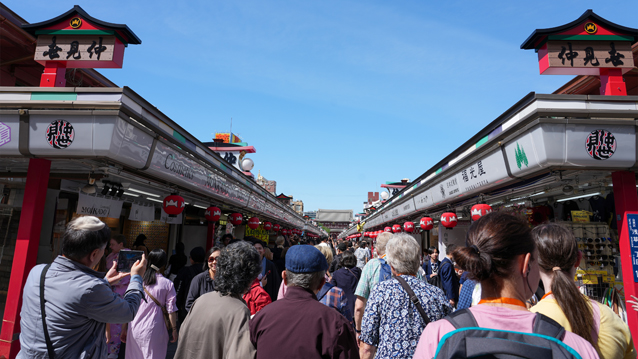
Senso-ji, or Asakusa Kannon Temple, is Tokyo's oldest and most iconic Buddhist temple, founded in 645 AD and dedicated to the goddess of mercy, Kannon. Located in the historic Asakusa district, this vibrant complex draws millions of visitors, featuring the massive Kaminarimon Gate, the bustling Nakamise-dori shopping street, and a beautiful five-story pagoda as seen in our pictures and you tube videos.
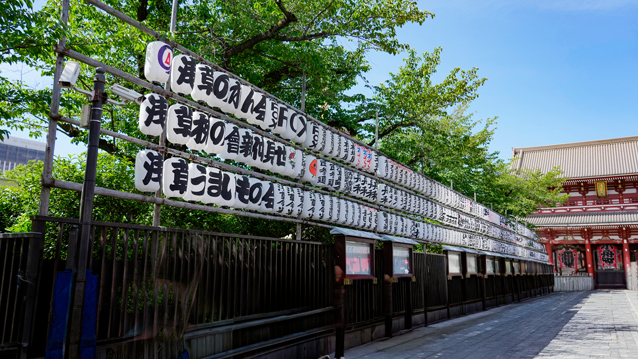
Senso-ji-Temple grounds.
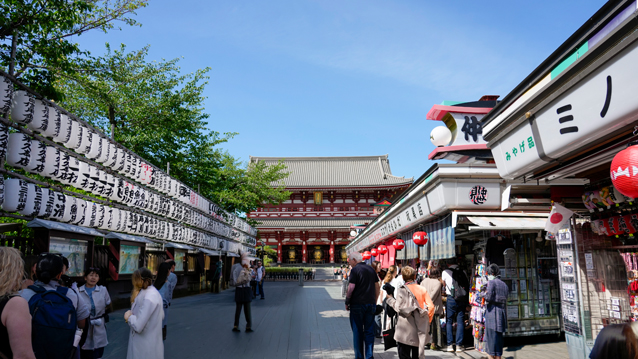
Senso-ji-Temple in the Asakusa district of Tokyo. The walkway leading to the temple is lined with Nakamise-dori, a historic shopping street featuring traditioinal snacks, crafts, and souvenirs. We enjoyed the bustling market before reaching the main temple hall.
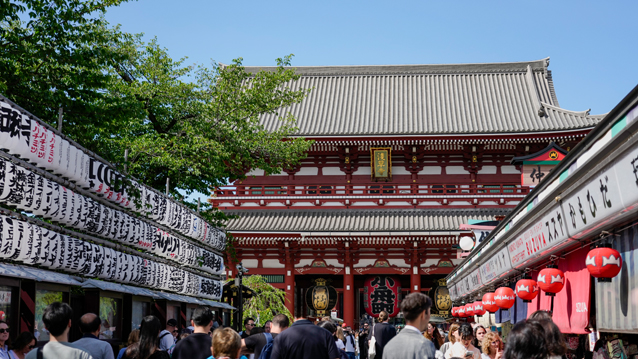
The walkway leading to the temple is lined with Nakamise-dori, a historic shopping street featuring traditioinal snacks, crafts, and souvenirs.
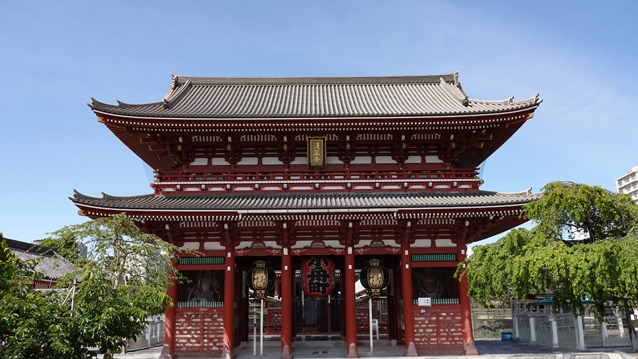
Hozomon Gate which is the inner of two large entrance gates leading to the Senso-ji-Temple.
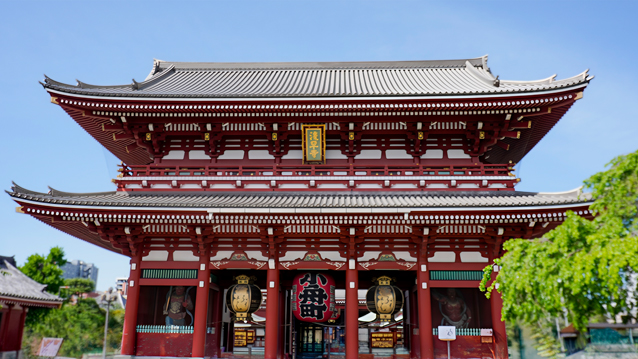
Hozomon Gate which is the inner of two large entrance gates leading to the Senso-ji-Temple.
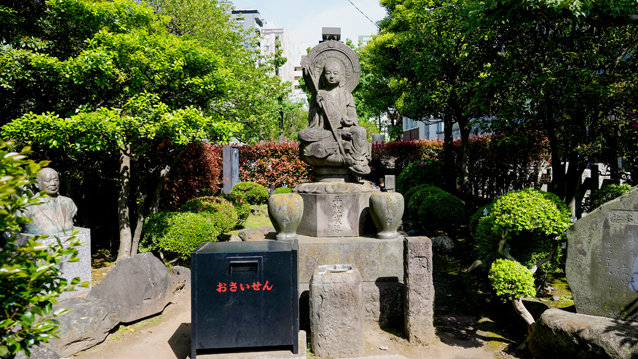
Senso-ji-temple-Heiwa Jizoson, a stone statue of Jizo Bodhisattva. (The protector of travelers)
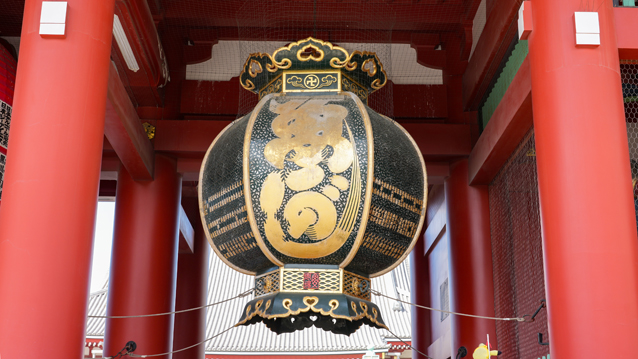
Senso-ji-Temple massive paper lantern at Kaminarimon Gate.
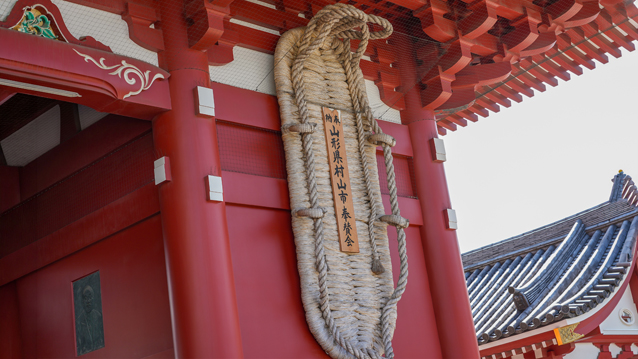
This image displays a giant straw sandle known as an O-waraji. They are hung as offerings on the Hozomon Gate at the Senso-ji Temple. They symbolize the strength of the temple's guardian deities (Nio) and are intended to ward off evil.
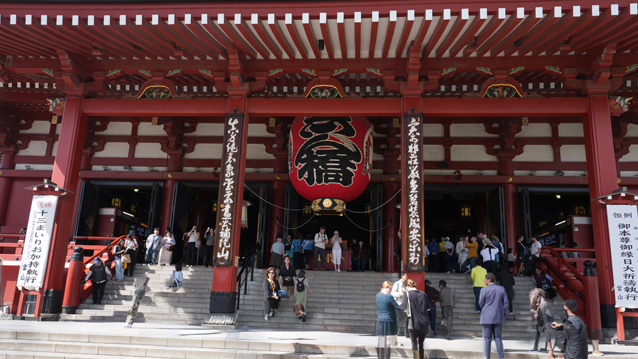
Senso-ji Temple Main Hall Interior.
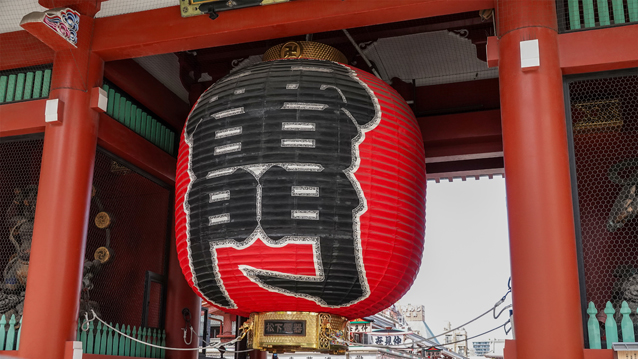
Senso-ji-Temple massive paper lantern at Kaminarimon Gate.
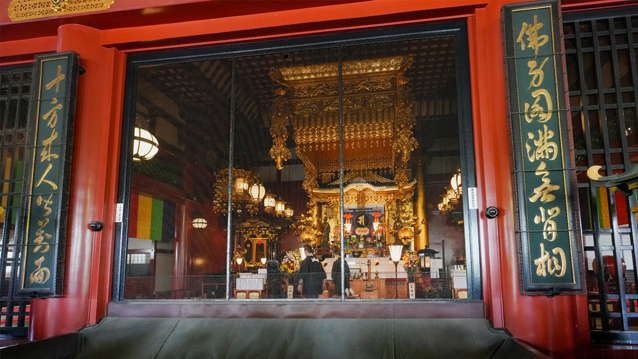
Senso-ji Temple Main Hall (Hondo) Interior.
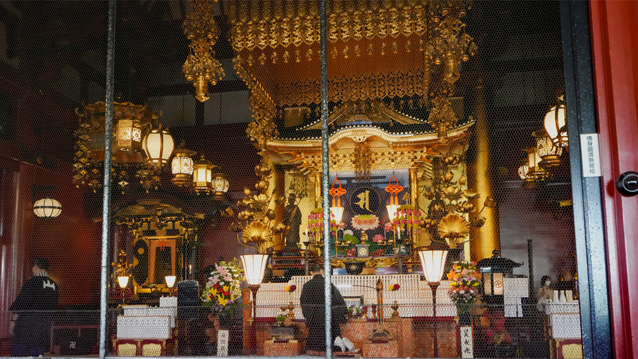
Senso-ji Temple Main Hall Interior.
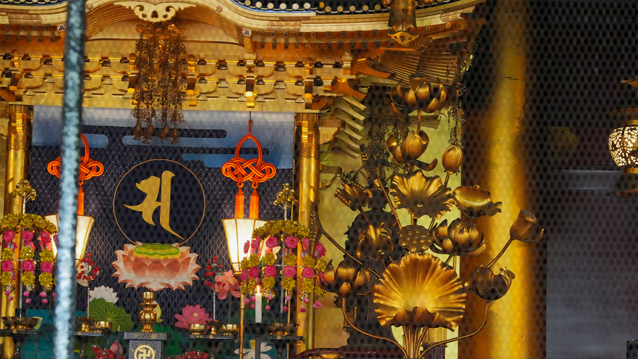
Senso-ji Temple Main Hall Interior.
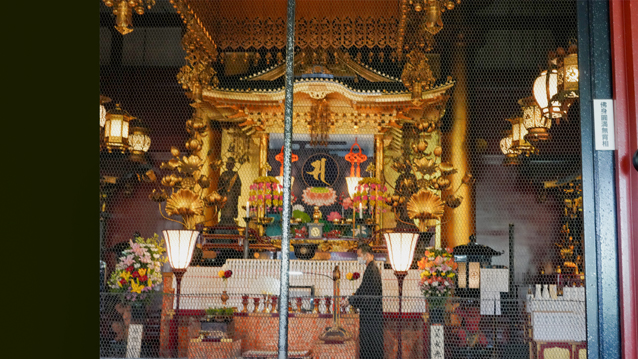
Senso-ji Temple Main Hall Interior. The The prominent gold structure in the center is the shrine that houses the sacred statue of Kanon, which is generally not displayed to the public.
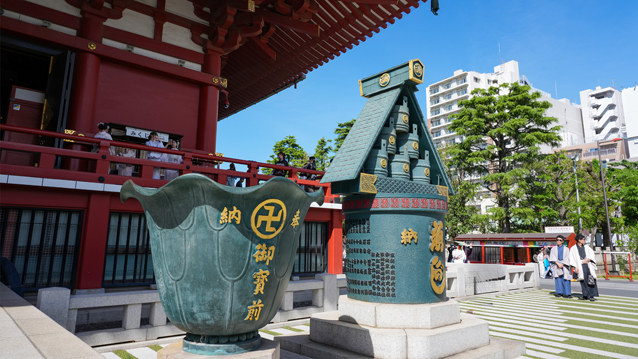
Senso ji Temple area.
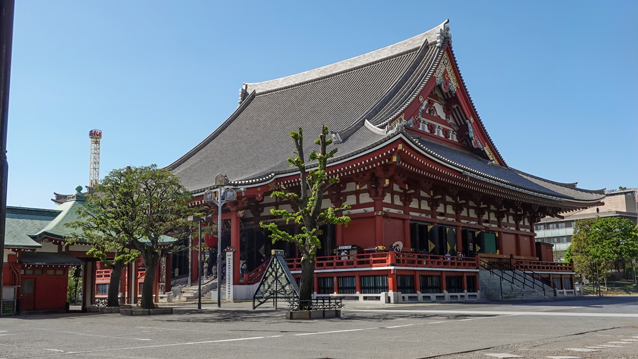
Senso-ji Temple Main Hall. This is the oldest temple in Tokyo.
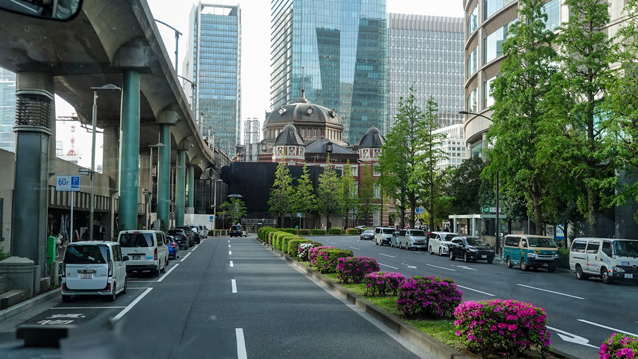
Tokyo Station Marunouchi Building area.
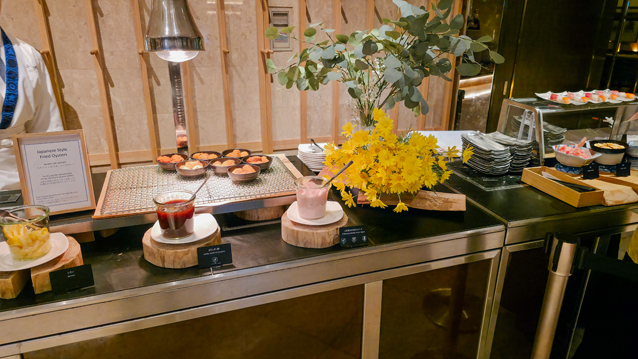
This image displays a themed dessert buffet set up at the Hilton Tokyo's "Marble Lounge".
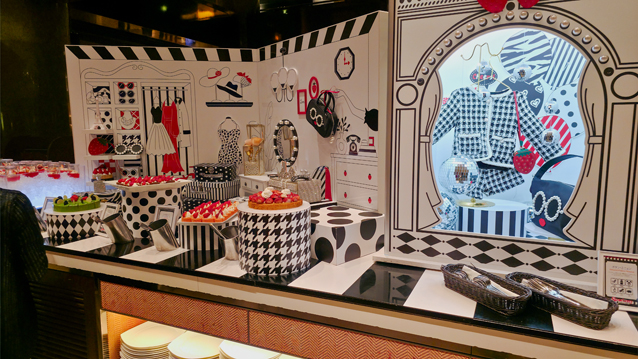
This image displays a themed dessert buffet set up at the Hilton Tokyo's "Marble Lounge".
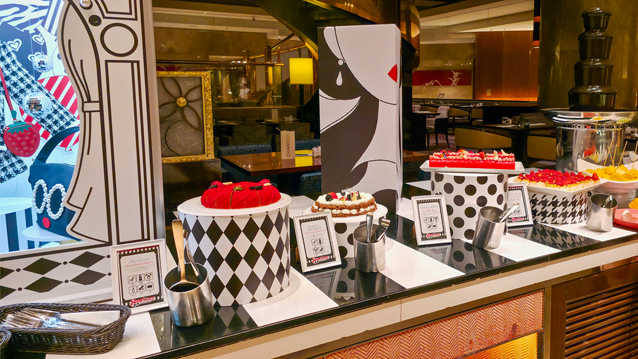
This image displays a themed dessert buffet set up at the Hilton Tokyo's "Marble Lounge".
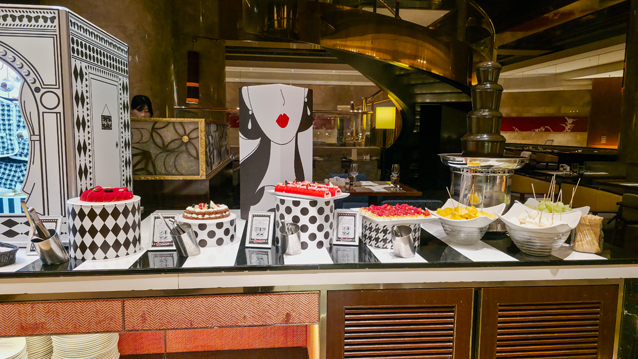
This image displays a themed dessert buffet set up at the Hilton Tokyo's "Marble Lounge".
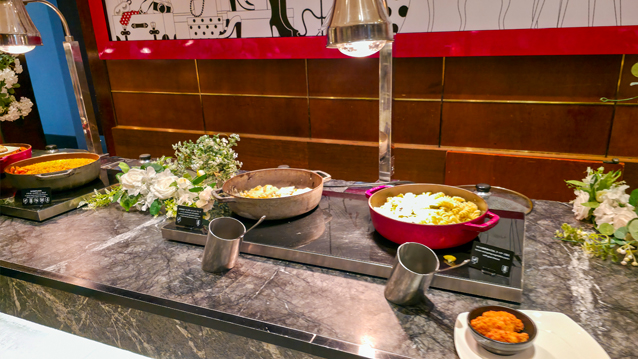
This image displays a modern buffet featuring hot food at the Hilton Tokyo's "Marble Lounge".
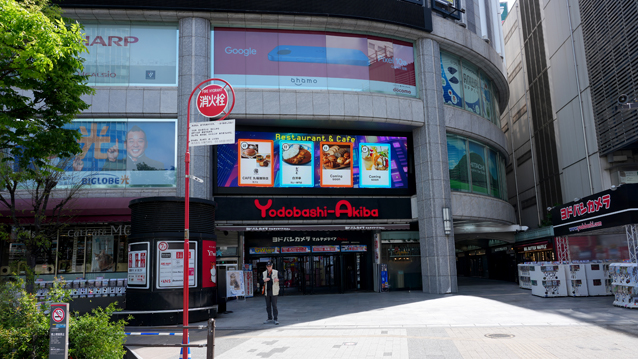
Yodobashi Akiba in Akihabara is the ultimate shopping experience when it comes to electronics. It’s a fabulous place to hunt down almost anything related to gadgets and doodads, and you can spend an entire day in there - if the irritating music doesn’t drive you up the wall first. We spent a good part of our day in this store and loved it!
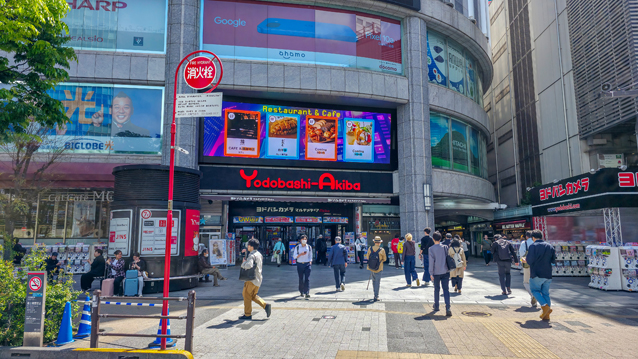
Here, you’ll find pretty much everything you can think of related to gadgets and electronics - I mean everything. From mobile phones to underwater cameras, film rolls to USB-chargeable handheld fans, ergonomic kettles to dozens of different electric shavers, this is the ultimate place to find reasonably-priced, well-made gadgets in the area. There’s even an Apple Store inside. Fun day!
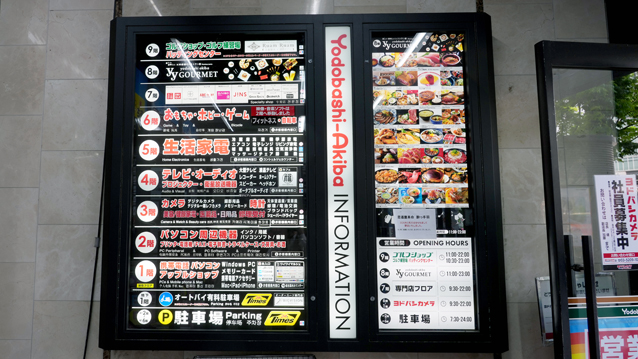
Exploring this 8-floor department store can be an overwhelming experience. If the sheer product density, crowds of shoppers, and fluorescent lights don’t get you, the endless replays of the Yodobashi theme song over the store speakers will. Head up to the restaurants on the top floor after shopping to fuel up. We found a great humburger! After all our fun, new Japanese meals, it was nice to have a good ole American hamberger and fries!
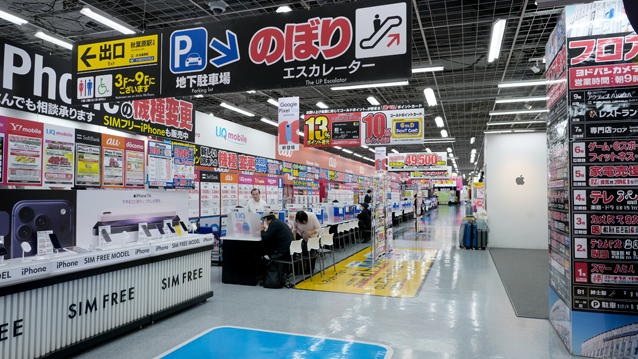
One thing you have to be careful about... we were looking at cameras and all the menus are in Japanese unless you make sure you're getting an International/American version!
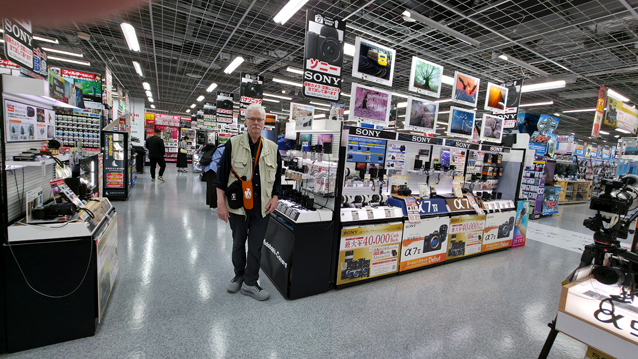
This is the only time I can think of that John didn't mind spending hours in a store!
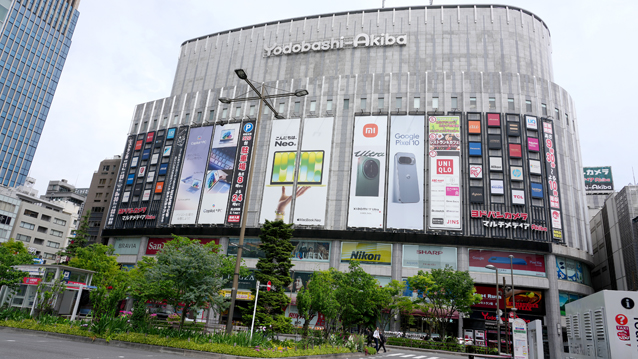
International tourists get tax free shopping as long as you have your passport to claim it. The store does have English speaking staff if you need it.
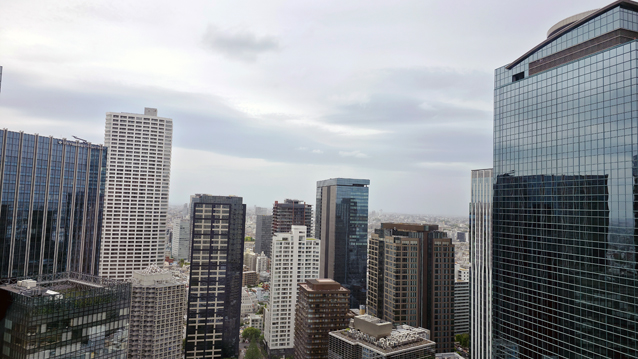
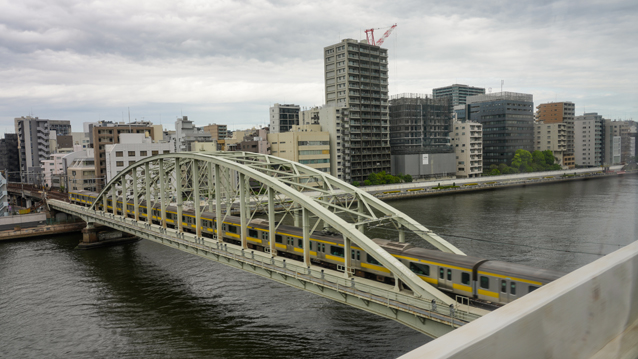
View of Tokyo.
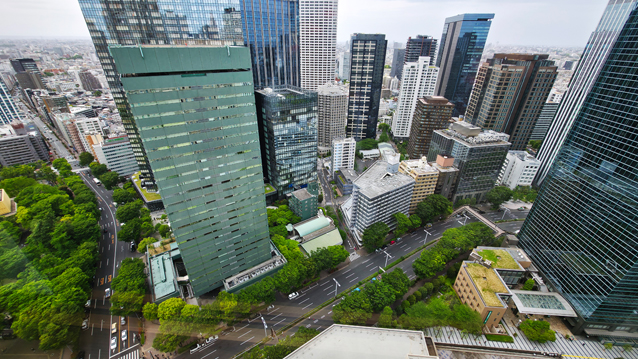
View of Tokyo.
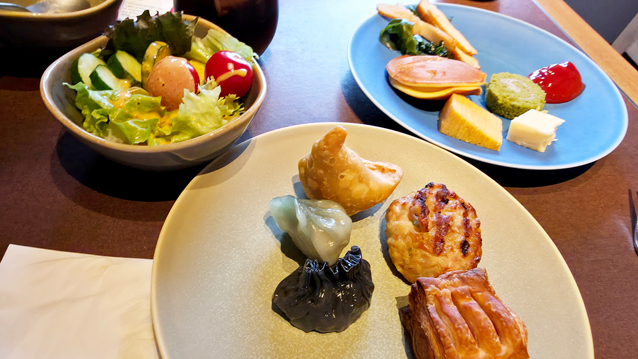
Traditional Japanese cuisine, known as washoku, is based on rice, fresh seafood, and seasonal vegetables. Rooted in the concept of umami (savory depth), it emphasizes natural flavors, artistic presentation, and balance. Meals are typically structured around the ichiju sansai (one soup, three sides) philosophy. We always enjoyed our meals!